
In 1624, the relatively small villa that Louis XIII built for hunting was the beginning of Versailles Palace. Louis XIV has been constantly expanding for over 50 years since 1665, creating the largest and most spectacular castle in Europe, today's Palace of Versailles. To Louis XIV, in fact, Versailles was a political device, not just a banquet hall or royal palace, but a stage to maintain your absolute monarchy. Louis XIV, who, therefore, struggled to draw many royal and government officials into the palace of Versailles, and to invite many monarchs to show his wealth and power. For this reason, not only the royal people but also about ten thousand people have always lived and worked in the palace.
With the French Revolution in 1789, the dwelling of a royal family was forcibly relocated from Bühl to URBRO, many paintings were sent to the Louvre Museum, and the furniture was sold as a ransom auction. In the photo, which was a symbol of absolute kingship, the iron gate was also destroyed during the revolution. By the hands of the people, Louis XVI and his wife, Marie Antoinette, were publicly executed at Trocadero Square and died miserably, and Versailles became a palace without a master.
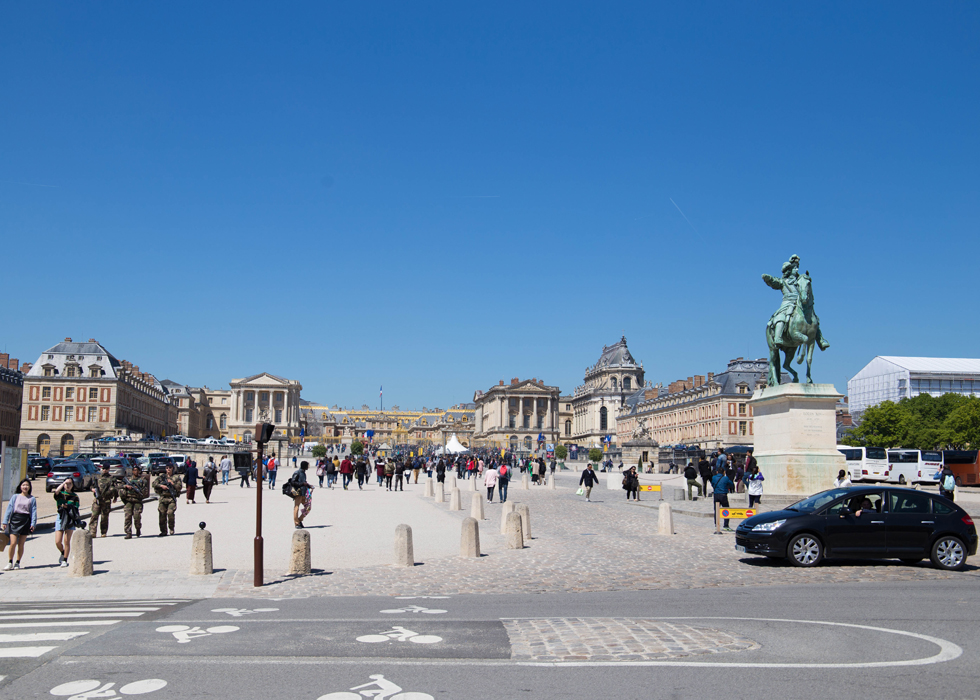
Louis XIV statue welcomes you to the palace, the most famous king in France. He was an absolute monarchy. Life at Versailles was determined by position, favours, and, above all, one's birth. The chateau was a sprawling cluster of lodgings for which courtiers vied and manipulated. Today, Versailles is seen as unparalleled in its magnificence and splendour, yet very few know of the actual living conditions many of Versailles' privileged residents had to endure. Such a transfer from the Louvre to the Palace of Versailles may have been a means of survival, before the desire for extravagant life.
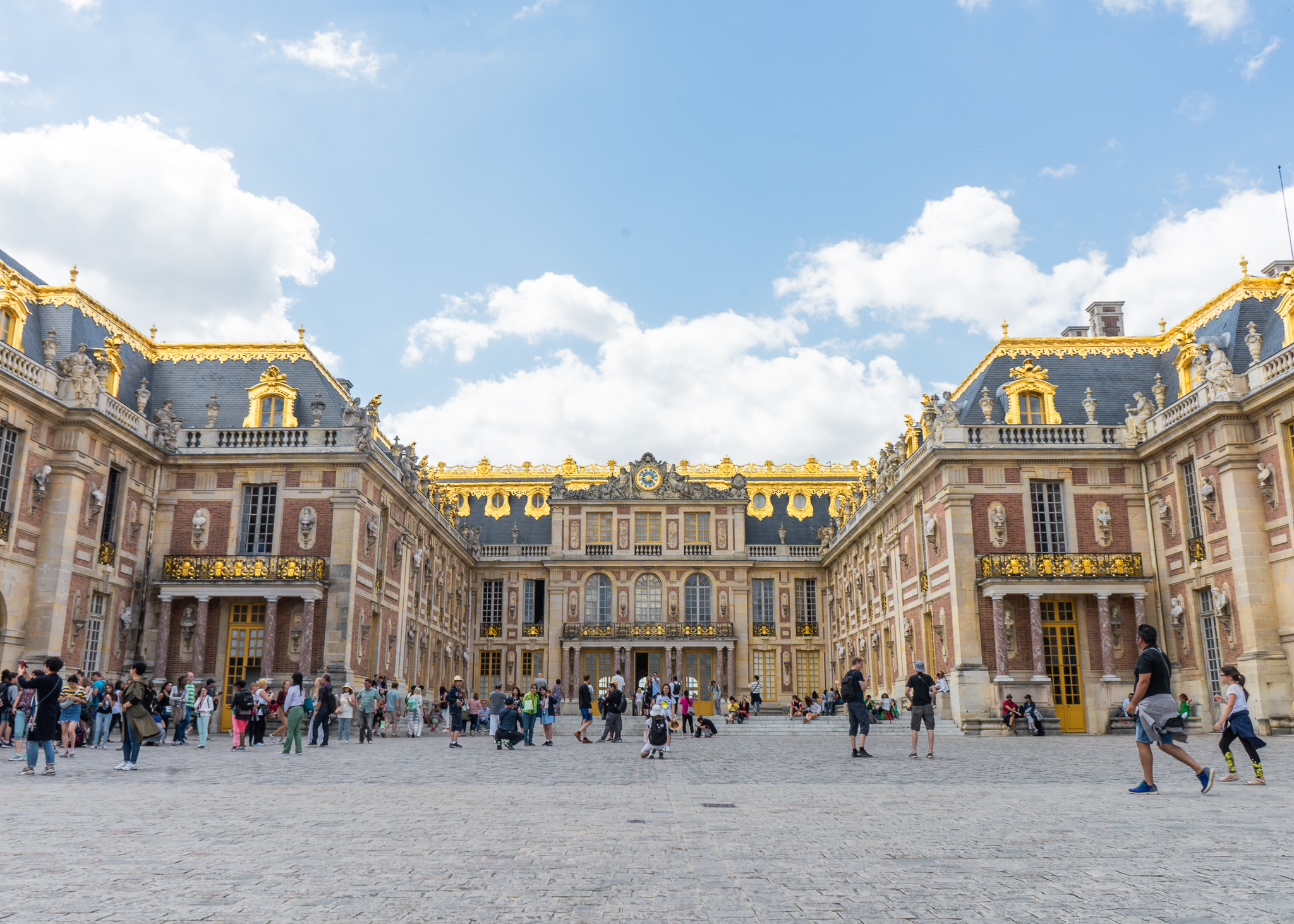
Louis XIV even changes his room to a location in the center of the palace at the end of the reign. Maybe it is natural that he, who believed himself to be the center of the world, wanted to put a room in a place where the palace was enlarged and the sight of Versailles could not be blocked. However, the king's room, which was located in the center of the palace through Louis XIV, is relocated to a more comfortable space.
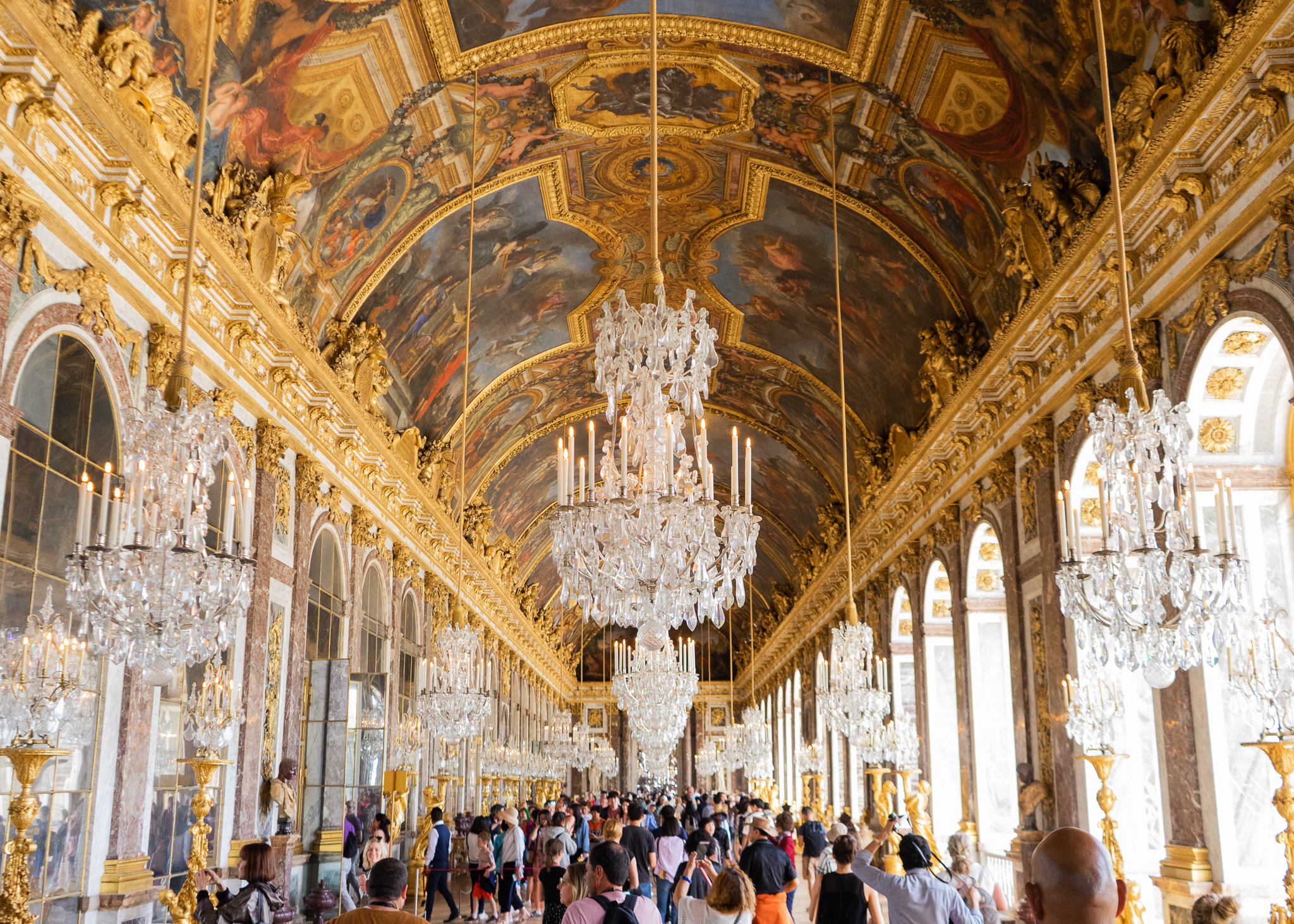
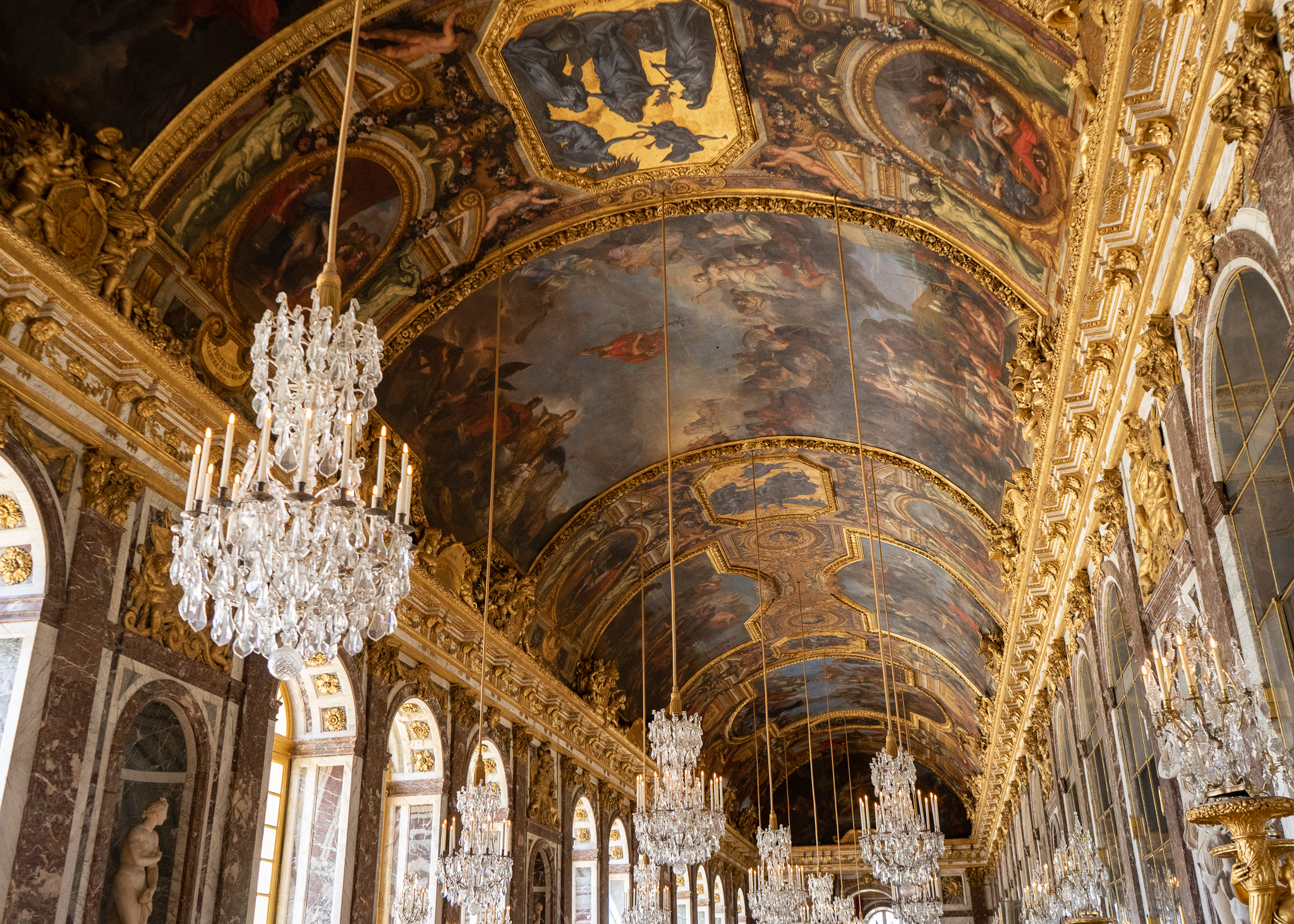
The Galerie des Glaces (Hall of Mirrors), is perhaps the most celebrated room in the château of Versailles. Setting for many of the ceremonies of the French Court during the Ancien Régime, the Galerie des Glaces has also inspired numerous copies and renditions throughout the world.
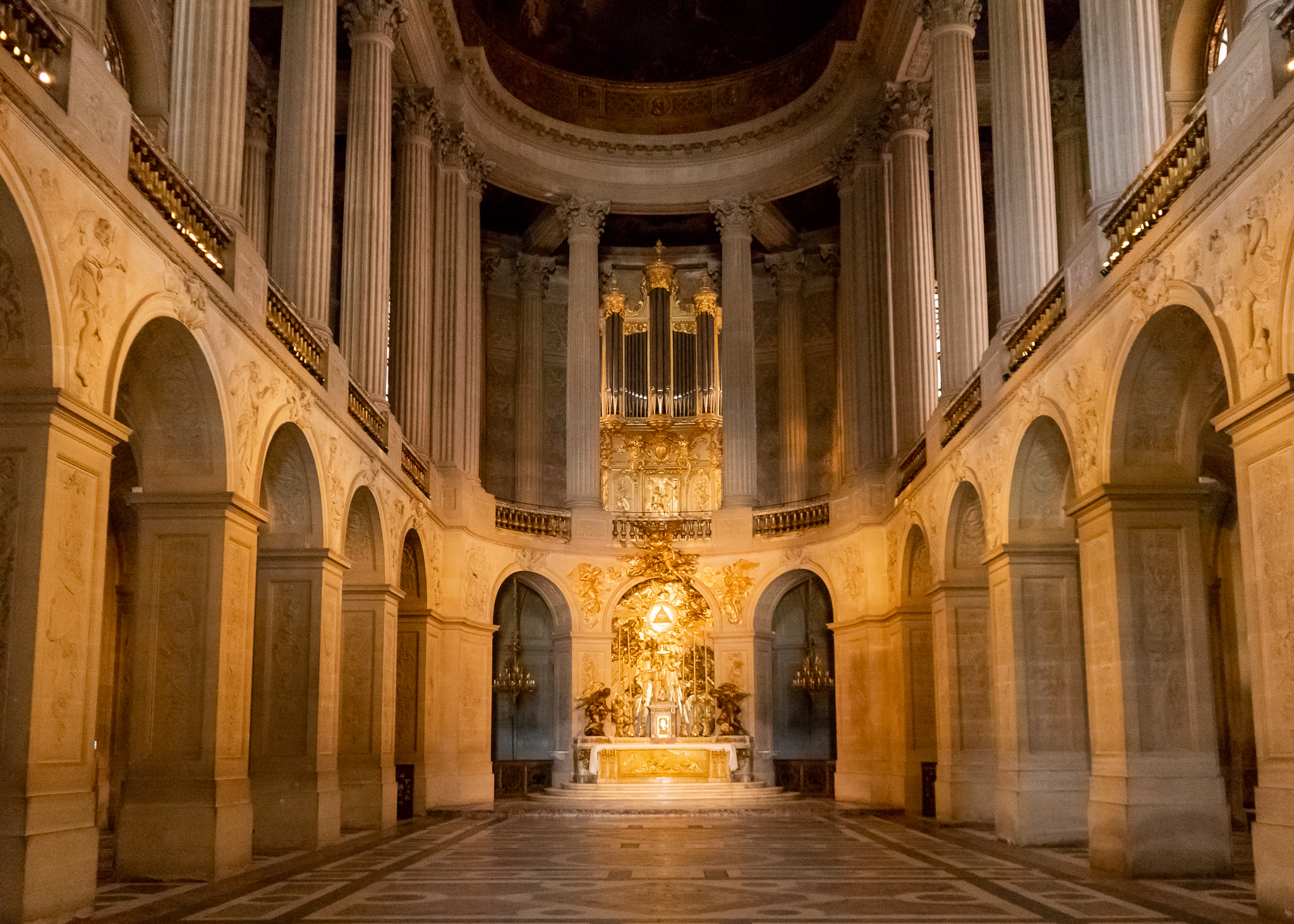
In the evolution of the palace, there have been five chapels. The current chapel, which was the last major building project of Louis XIV, represents one of the finest examples of French Baroque architecture and ecclesiastical decoration.
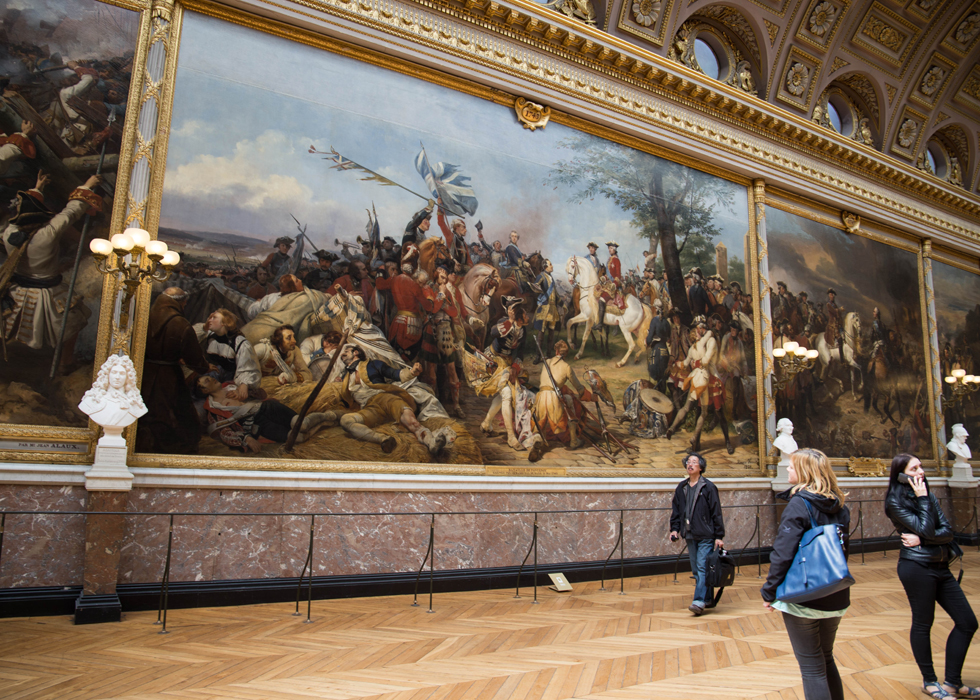
After the French Revolution, Napoleon's decision, through the hands of Louis Philippe, was transformed into a war corridor (Gallery de Batti) where the former kings stayed. The War Gallery lists 33 war records from the whole of Tolbiac in 496 to the triumph of Napoleon in 1810.
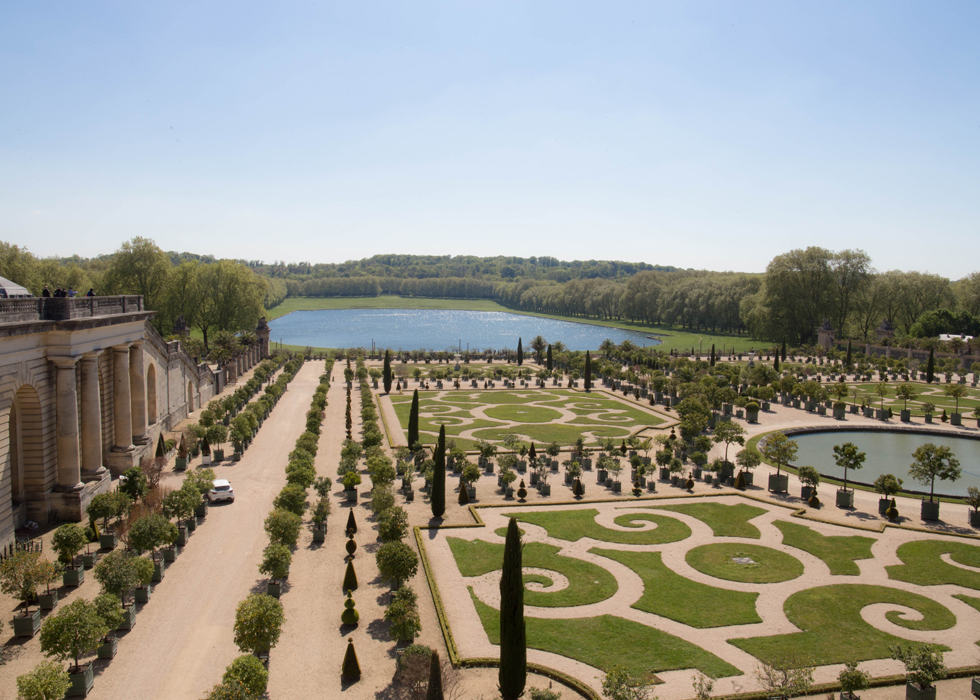
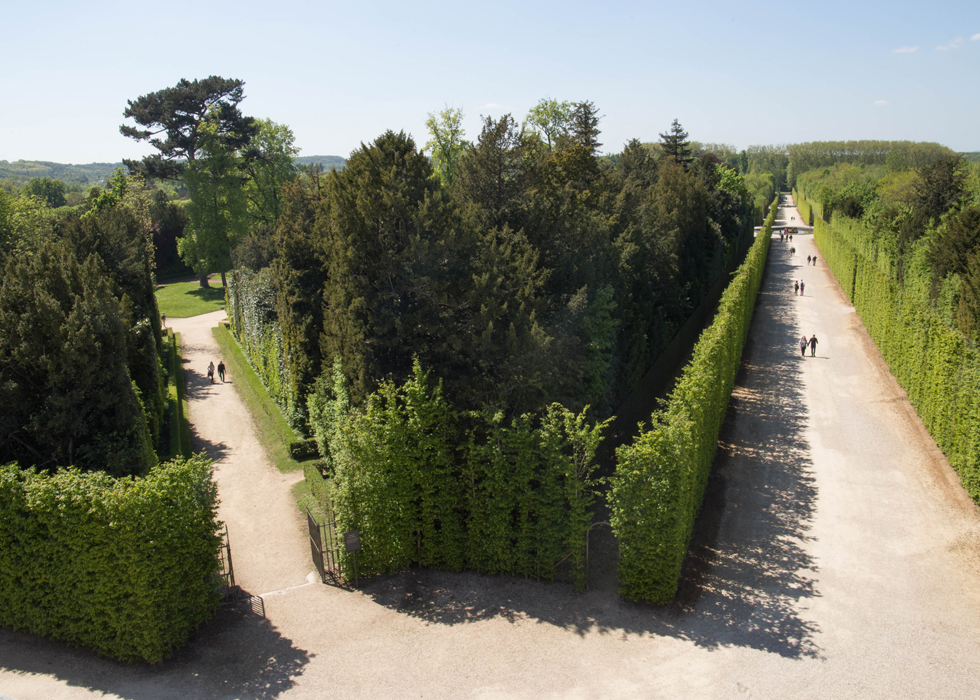
Evolving with the château, the gardens of Versailles represent one of the finest extant examples of the Jardin à la française created by André Le Nôtre.There are dozens of colourful fountains around the palace, and the trees and flower beds are beautifully decorated. Behind the Versailles garden, there is even a magnificent canal where Louis XIV had once enjoyed a gondola from Venice.
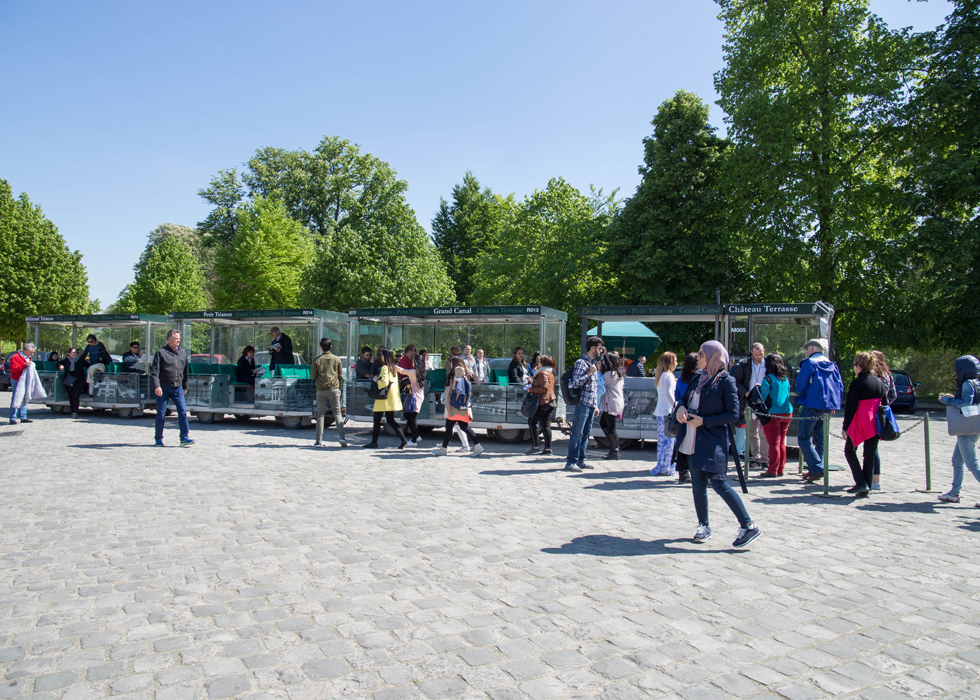
It is not easy to walk all day long as it’s a huge palace and garden. To save time and energy, we used the train in Versailles Palace. It is very convenient to move to Canal and Trianon at once. The Price is 9€ for a full tour departing from the Château. The schedules vary depending on the season, the first departure is at 11:10 AM while the last departure is at 6:50 PM from April 1st to October 31st, and at 5:10 PM from November 1st to March 31st.
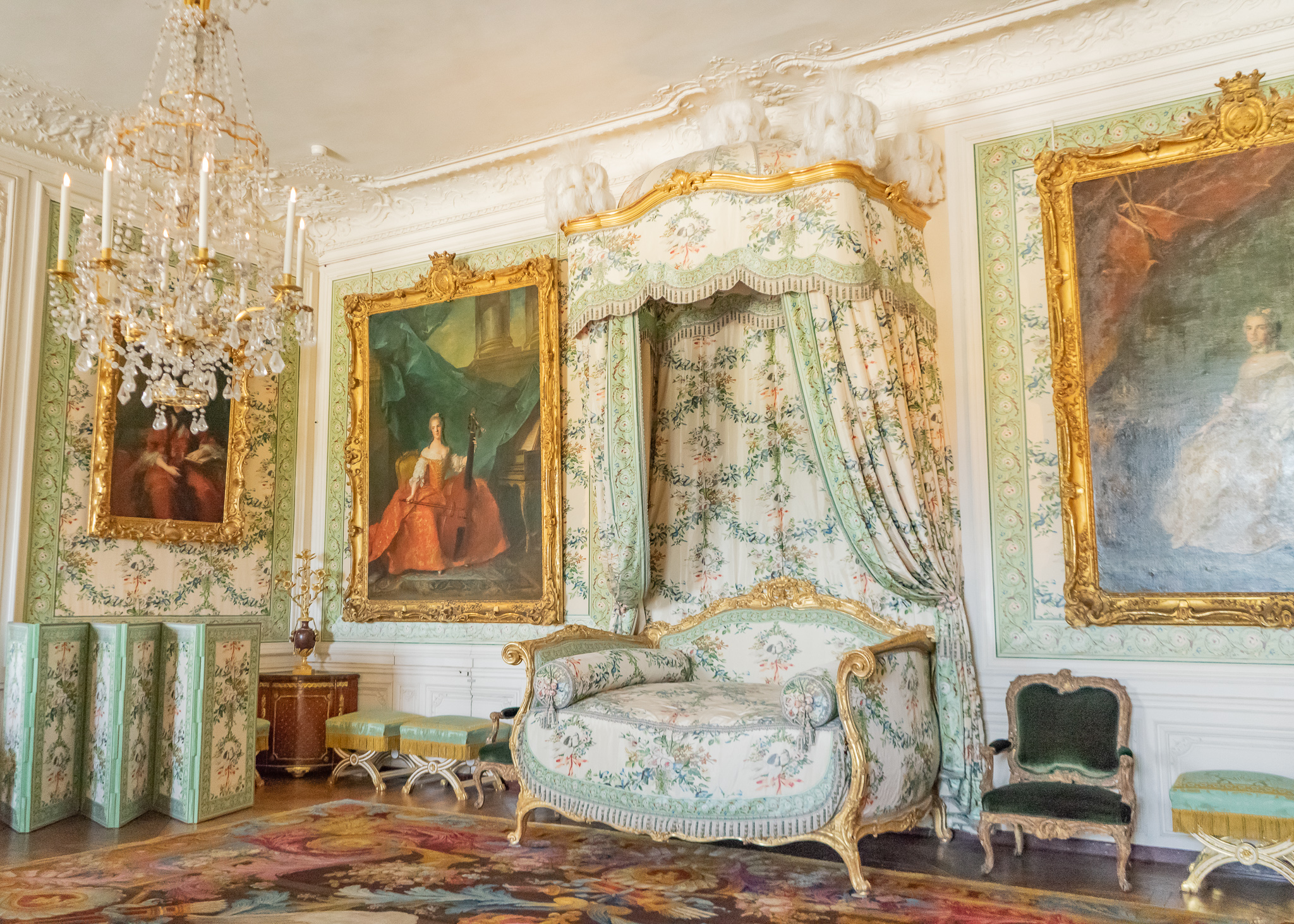
The space that Louis XIV made for Mrs Marduau Monsar. Unlike the Palace of Versailles, where the appearance and interior are impressive, it is an annex to the queen, so it is a place where women's beauty is notable.
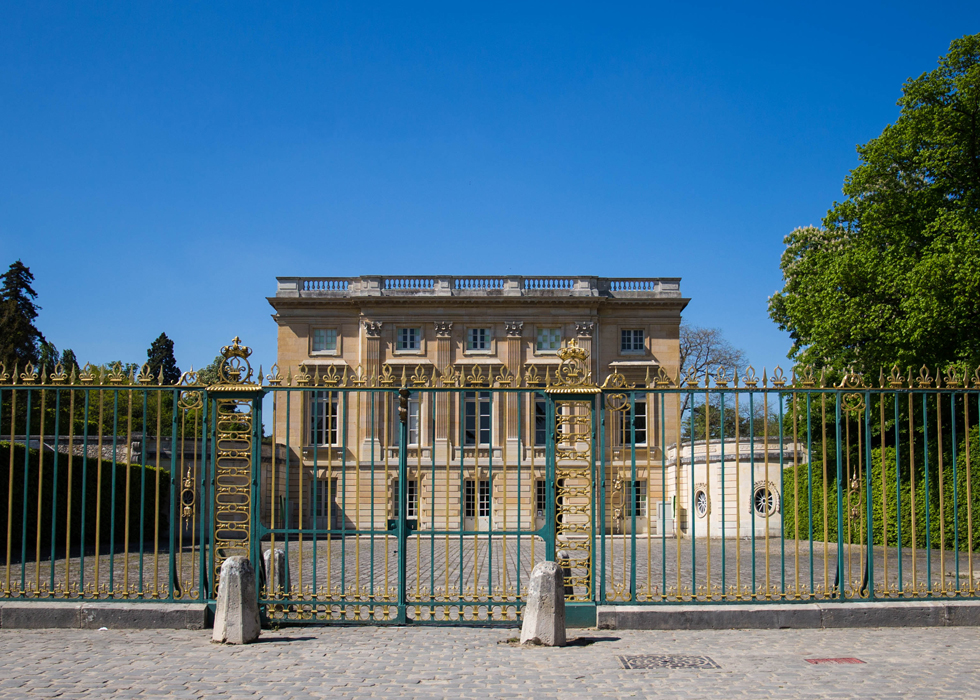
The last course of the Versailles palace, arriving by train, Marie Antoinette is famous for the annexe and is a place that Louis XIV made for Mrs Pompadour, and Louis XVI, who inherited her legacy, gave it to Marie Antoinette. The interior was decorated with a warm feeling, somewhat different from the image of Antoinette, who was a synonym for luxury.
Here is all the practical information we have carefully gathered to make your visit to the Palace of Versailles as smooth as possible.
Gardens : open every day, from 7:00 AM to 8:30 PM.
Palace : open every day except Monday, from 9:00 AM to 6:30 PM.
Trianon Estate : open every day except Monday, from 12:00 PM to 6:30 PM.
Passport Ticket : includes entry to the Palace, the Trianon Estate, the Gardens and temporary exhibitions.
Trianon Estate Ticket : includes entry to the Trianon Estate and temporary exhibitions only.
Author and photos: O'bon Paris Team