
I felt the need, in order to widen my field of observation and to refresh my vision in front of new sights, to take myself away for a while from the area where I was living, and to make some trips lasting several weeks in Normandy, Brittany and elsewhere. It was the opportunity for relaxation and renewal. I left with no preconceived itinerary, no schedule mapped out in advance. Wherever I found nature inviting, I stopped.
— Claude Monet
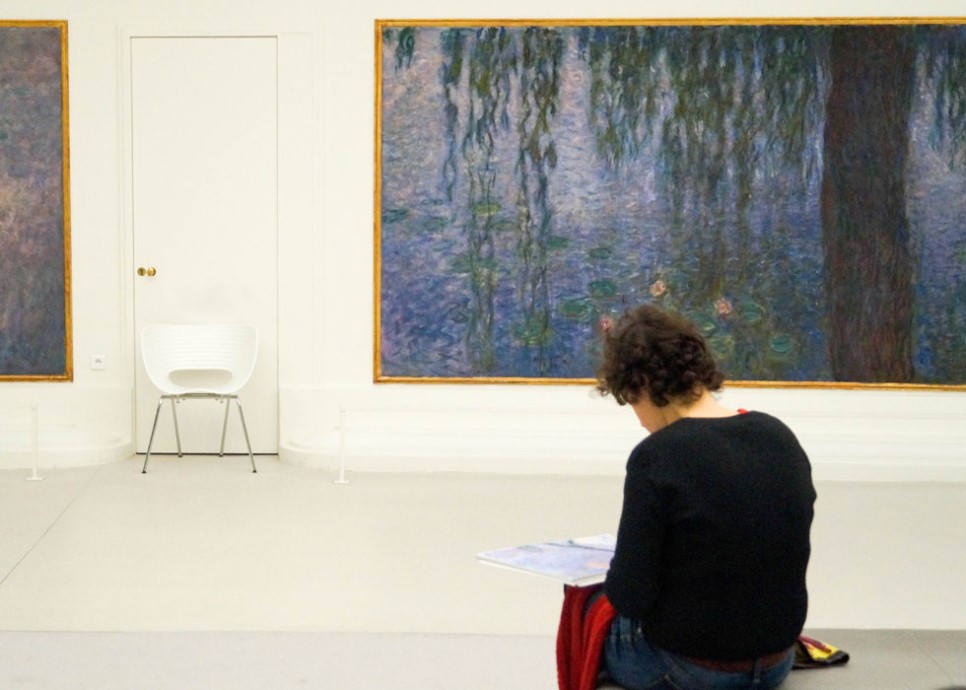
When Claude Monet first arrived in Giverny in 1883, he was looking for inspiration. What he created instead was far more enduring: a living masterpiece.
.jpg)
Today, this small village on the banks of the Seine has become a true pilgrimage site for art lovers from around the world. But beyond the fame, visiting Giverny is above all an intimate encounter with Monet’s world—his home, his gardens, and the light that shaped his paintings.
At the heart of Giverny lies the iconic Fondation Claude Monet, where the artist lived from 1883 until his death in 1926.
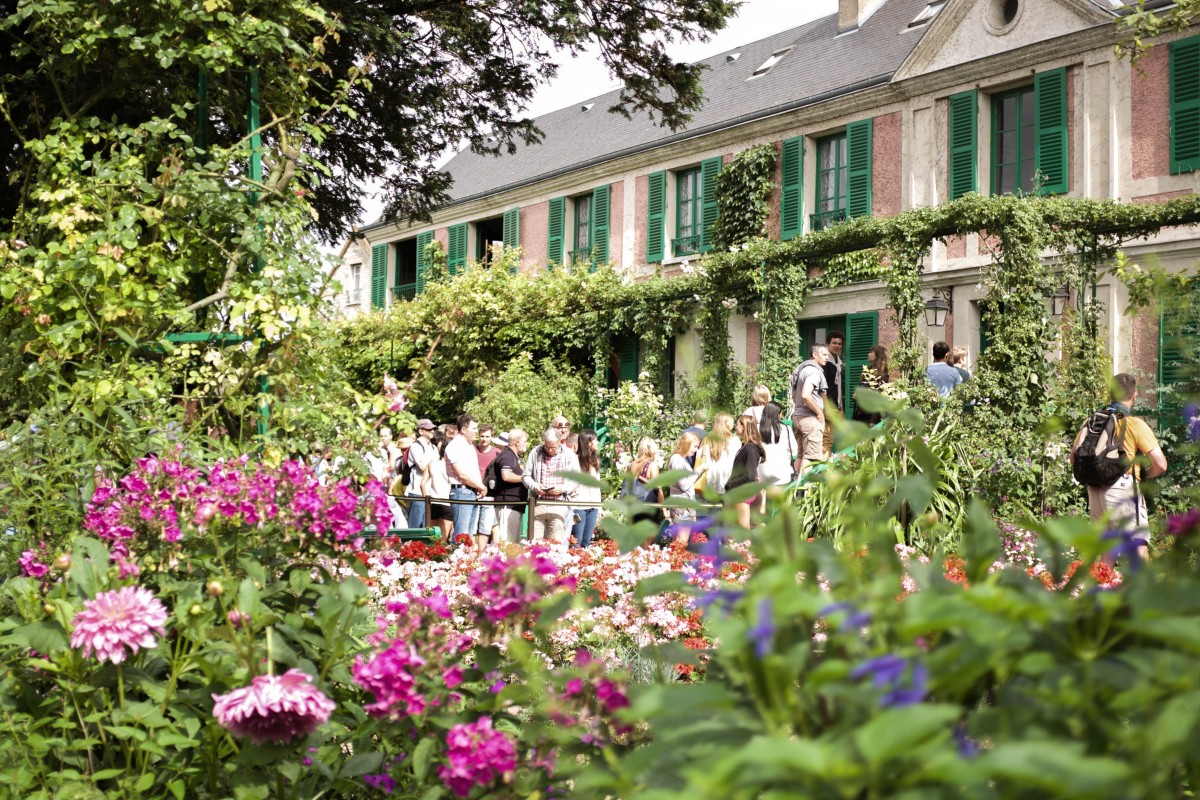
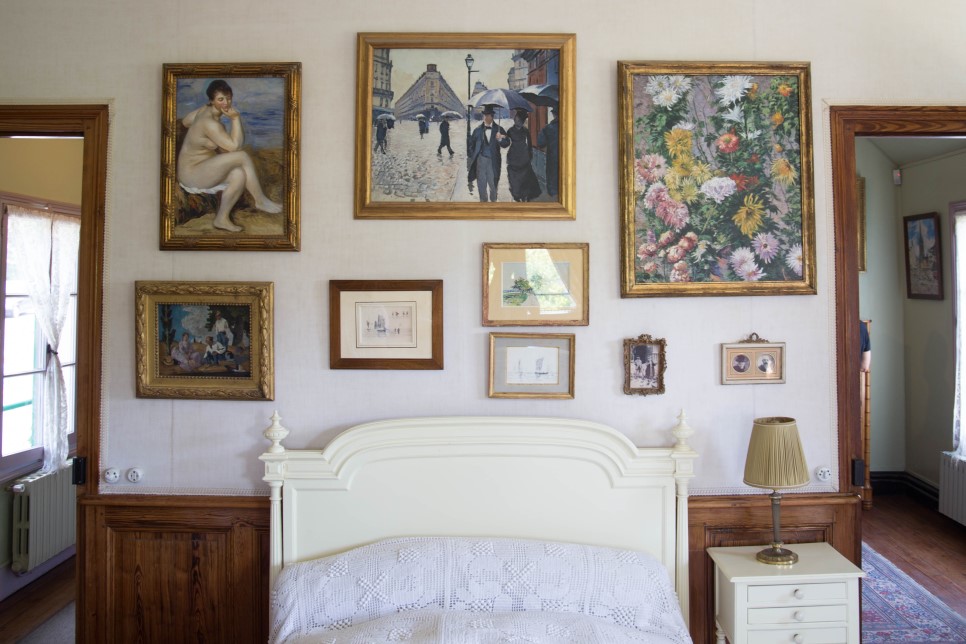
His pink house with green shutters, surrounded by vibrant flowers, feels like stepping directly into one of his canvases. Inside, visitors can explore his daily life—from the bright yellow dining room to the blue-tiled kitchen—while outside, the gardens unfold like a painting in motion.
Monet approached gardening as he did painting: instinctively, freely, and with a deep sensitivity to color. Flowers bloom in layered compositions, changing with the seasons and the light, creating a constantly evolving landscape.
Just across the road, Monet designed his famous water garden, inspired by Japanese aesthetics he admired through prints.
.jpg)
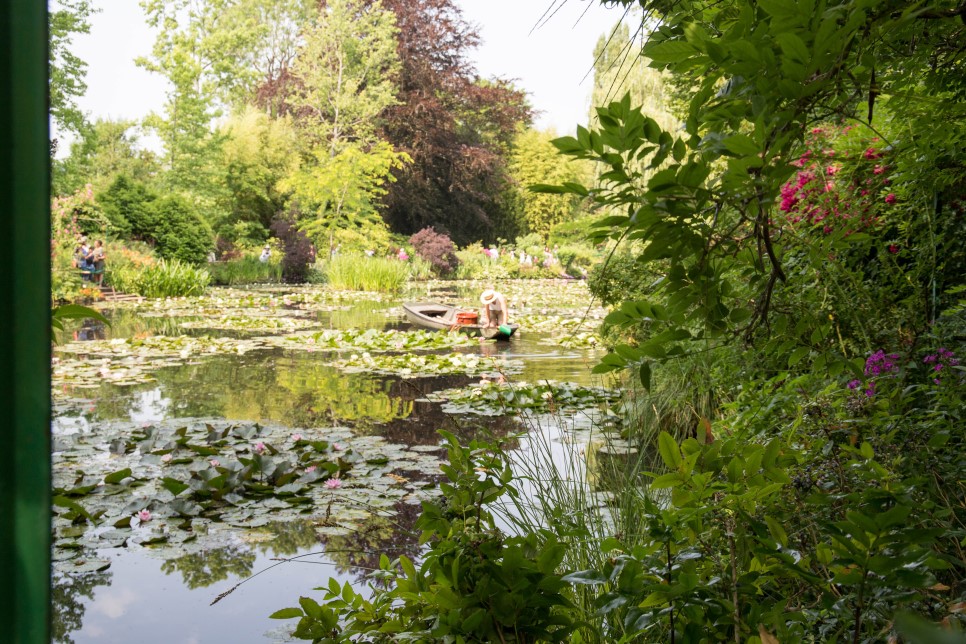
Here, the atmosphere shifts. Curved paths, bamboo, weeping willows, and the iconic green bridge create a poetic setting where time seems to slow down. Floating gently on the pond, the water lilies—his beloved subject—became the focus of his later years, inspiring his monumental Water Lilies series.
.jpg)
Standing here, it becomes clear: Monet was not simply painting nature—he was observing light, reflections, and fleeting moments.
A short 2–3 minute walk (about 150–200 meters) from Monet’s house brings you to the nearby Musée des impressionnismes Giverny.
.jpg)
While Monet’s home offers an intimate, personal experience, this museum provides a broader perspective on Impressionism and its legacy. Through rotating exhibitions, it showcases works and stories of artists influenced by or connected to the movement.
.jpg)
Visiting both sites together creates a complete journey—from the artist’s private universe to the wider artistic revolution he helped shape
Monet’s House & Gardens: 84 rue Claude Monet, 27620 Giverny
Musée des impressionnismes: 99 rue Claude Monet, 27620 Giverny
Distance: 2-3 mins
April to November everyday 10:00 – 18:00
.jpg)
Maison de Monet: ~13€
Museum: ~12€
Combined ticket (on-site only): ~25€
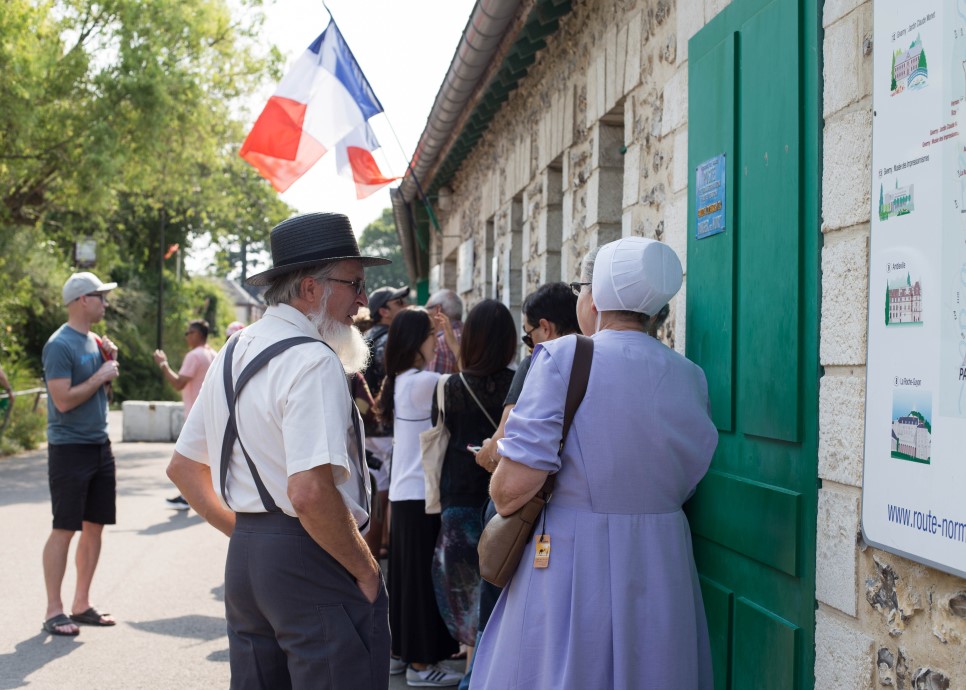
Book your ticket online in advance to skip long queues, especially during peak season.
Combined tickets (“billets jumelés”) are only available on-site, so plan accordingly.
Visit early in the morning or later in the afternoon to avoid the largest crowds and enjoy a more peaceful atmosphere.
Allow at least half a day to fully explore both Monet’s house and the nearby Musée des impressionnismes Giverny.
Spring and early summer offer the most vibrant blooms, but each season brings a different charm.
Photos & Article : O'bon Team