French is widely recognized as a charismatic and romantic language, largely thanks to its musicality and the richness of its sounds. However, its very musical quality can also be a real challenge for learners, as certain French sounds are known to be difficult to pronounce.
The good news is that none of these sounds are impossible to master. With a few targeted tips and some practice, it’s entirely possible to improve your pronunciation and impress those around with a more natural accent. And the Ultimate tip for learning French like a true Parisian is no longer a secret: nothing beats immersion in Paris, with daily exposure to the language.
The French « R » is an iconic sound, but also one of the most challenging to master. It is pronounced at the Bach of the throat and differs greatly from the rolled or softer « R » sounds found in many other languages. Learners whose native languages are Japanese, Korean or Chinese, for example, are not used to pronouncing this kind of guttural vibration.
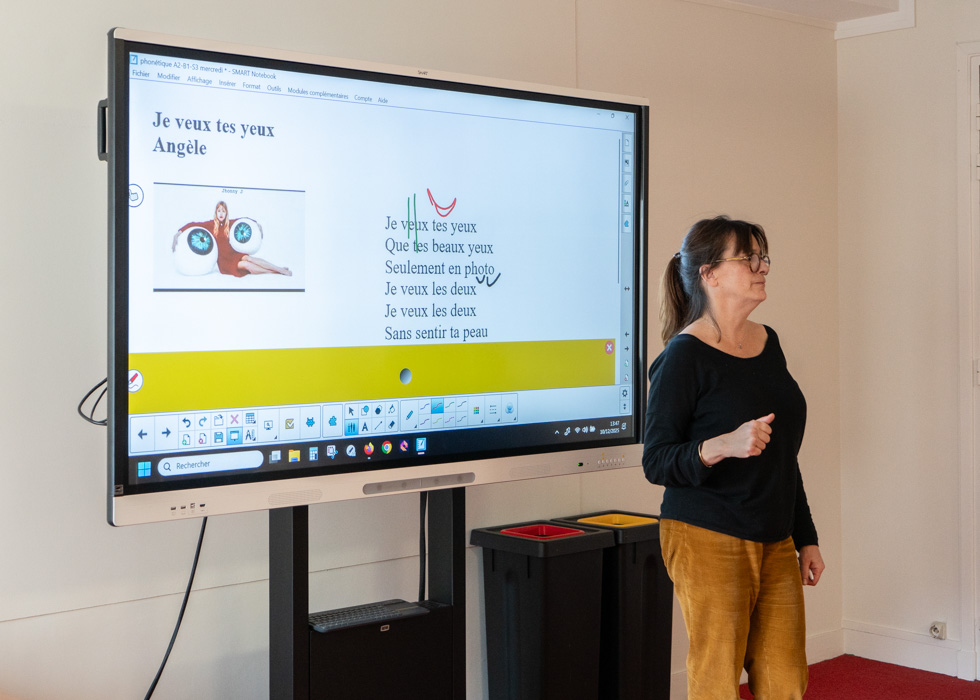
O’bon Tip: Think of a light, controlled tickling sensation at the back of the throat. Start by practicing the sound on its own, then gradually integrate it into simple words such as « Rue », « Paris » or « Merci ».
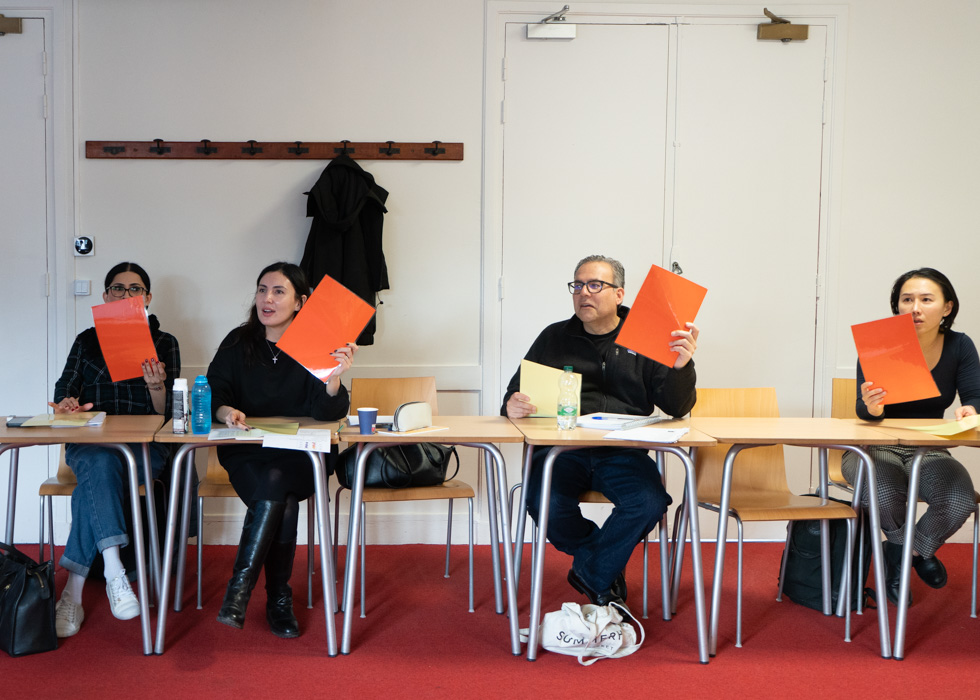
Nasal vowels are a distinctive feature of French pronunciation. In these sounds, the air flows through both the mouth and the nose, which can be unsettling for learners. A common mistake is to pronounce a regular vowel followed by an « n » or « m », which completely changes the word.
O’bon Tip: Pronounce the word while slightly restricting your breath to feel the nasal vibration. You can also gently pinch your nose to check whether the sound is truly nasal.

Pratique words:
- AN / EN : Chanter, Enfant, Ambulance
- ON : Nom, Rond, Cochon
- IN : Pain, Matin, Voisin
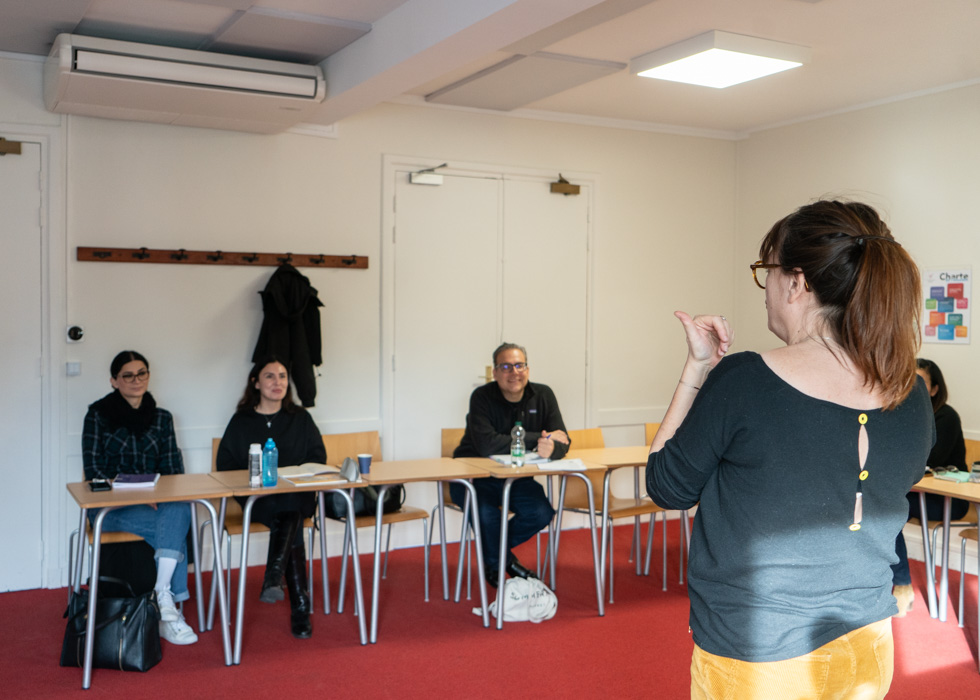
These two vowel sounds are often confused, even though they distinguish many common French words (tu / tout, sur / sous). The difference lies not in the lips, but in the position of the tongue.
O’bon Tip:
- « OU »: rounded lips, tongue positioned towards the back of the mouth.
- « U »: rounded lips, tongue placed far forward.
Repeating pairs of constructing words is one of the most effective ways to train your ear and articulation.
In French, the letter « E » changes sound depending on the accent. « É » is a closed, tense vowel, while « È » is more open and slightly longer. These subtle differences are essential for achieving a natural-sounding pronunciation.
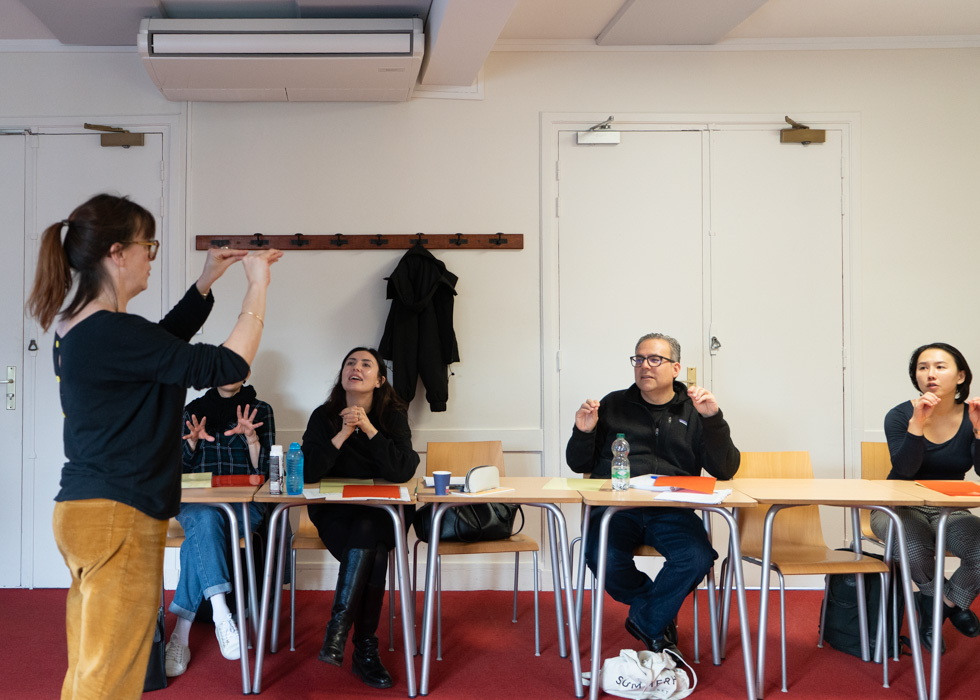
O’bon Tip:
- « É »: stress the mouth horizontally, as if smiling
- « È »: open the mouth more vertically and relax the jaw slightly
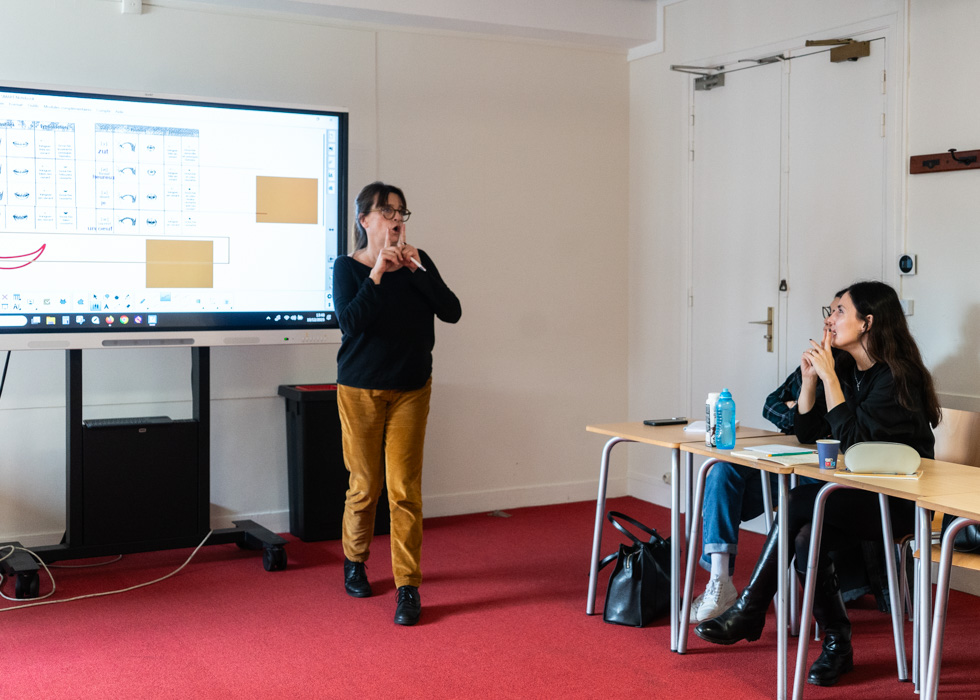
The [ʒ] sound corresponds to the French « J ». It involves a soft friction between the tongue and the palate and is sometimes confused with the « sh » sound.
O’bon Tip: Start by pronouncing « zh », as in the English word vision, to feel the correct movement before using it in French words.
Improving pronunciation goes beyond classroom exercises. It requires regular exposure to the sounds, rhythm and intonation of spoken French. Paris offers the perfect setting for this kind of immersion. Everyday life in the city provides constant contact with authentic French: conversations in cafés, metro announcements, and daily interactions. This natural sound environment helps train the ear and refine French pronunciation almost effortlessly.
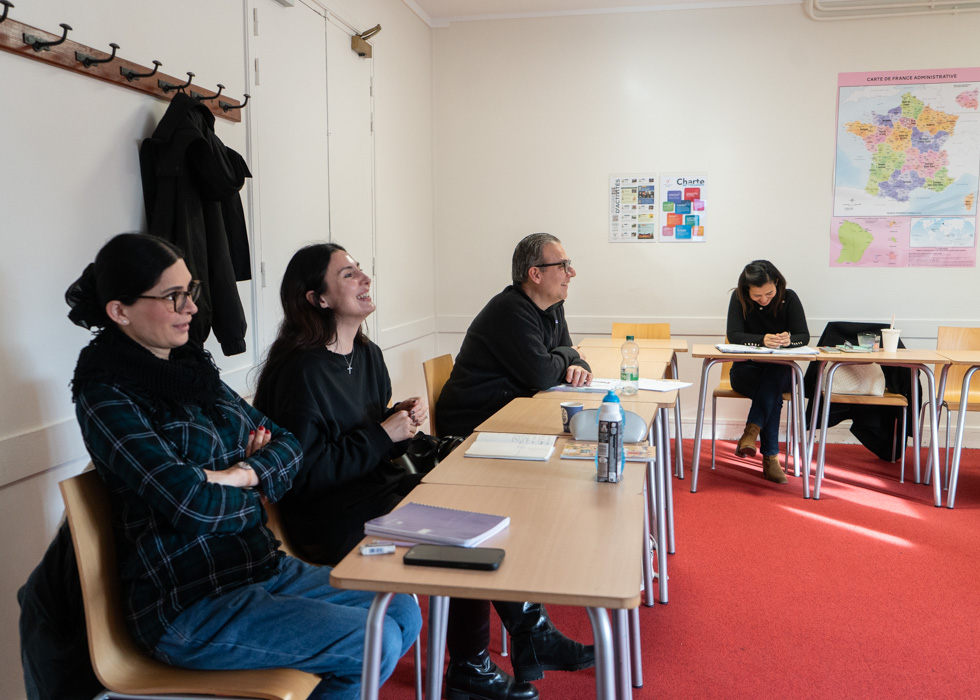
Paris is also home to high-quality phonetics courses, particularly at the Alliance Française de Paris, where small-group workshops and personalized feedback help learners correct specific sounds and build confidence.
Learning phonetics in Paris means linking theory to real-life practice, making progress both faster and more natural.
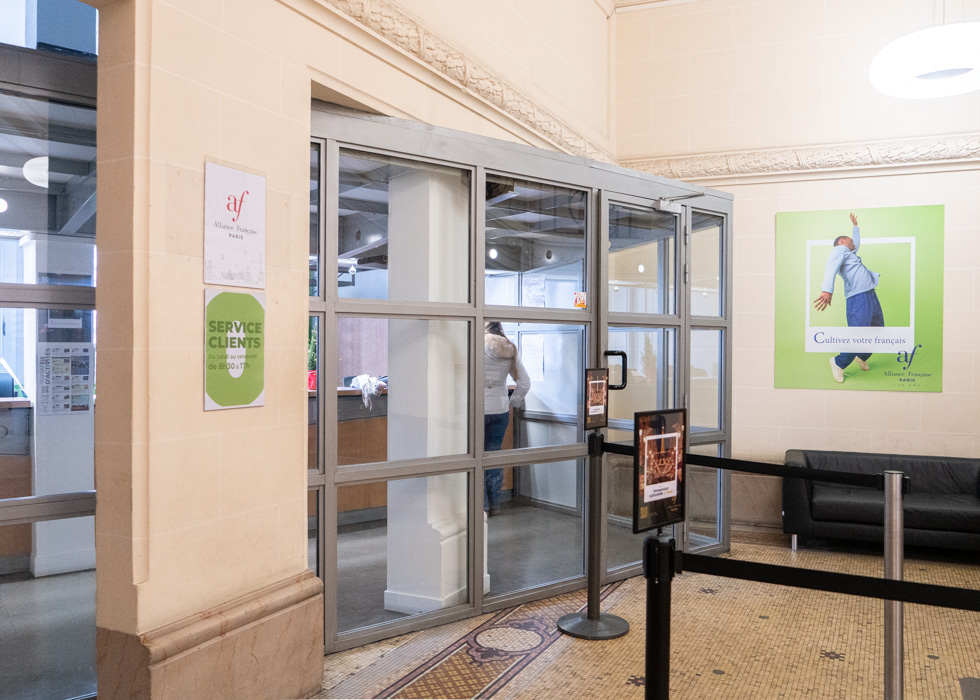
By applying these pronunciation tips and taking advantage of the phonetics resources and immersive learning opportunities available at Alliance Française Paris, you can significantly improve your French pronunciation and speak with greater clarity and confidence. If you wish to enroll at Alliance Française Paris, remember to use promo code OBONPARIS1026 to receive a 10% discount on all courses (download it here). Detailed information and registration are available on their website (click here).
We wish you a great immersion in Paris and every success in improving your French pronunciation.
Article & Photos: O'bon Paris Team
Address: 101 Bd Raspail, 75006 Paris
Metro: Line 4 — Saint Placide station & Line 12 — Notre-Dame des Champs or Rennes station
Opening hours: Monday to Friday 8:30 AM - 5:00 PM