
From one country to another, supermarkets can hold surprising treasures—and France is no exception! If you’re traveling through Paris or looking for the perfect edible souvenir, French grocery stores offer an incredible selection of regional delights. One of the best places to explore this culinary richness is the Galeries Lafayette Gourmet supermarket, where iconic French products are conveniently gathered under one roof.

Located on the lower ground floor (-1 level) of the Galeries Lafayette Le Gourmet building (35 Boulevard Haussmann, 75009 Paris), this upscale supermarket is a paradise for food lovers. It showcases premium items from across France, offering a unique experience of the country's diverse gastronomic regions.
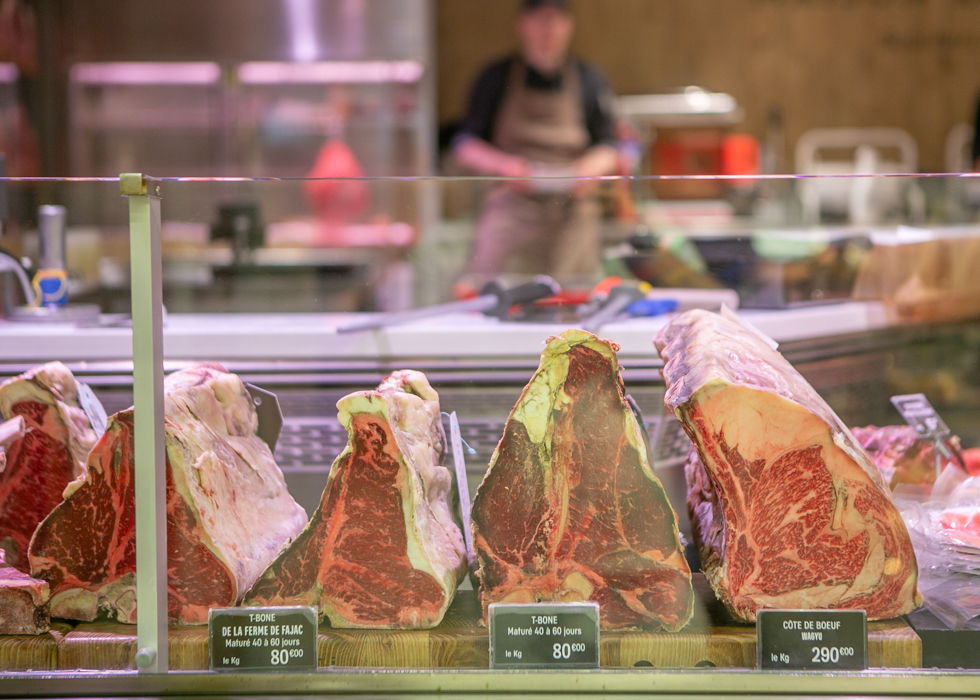
Explore dedicated sections, including the marketplace, deli, butcher, cheesemonger, and more. Whether you're shopping for a picnic, gifts, or something delicious to enjoy later, there’s something for everyone. We've selected in this article some of the most iconic and must-try items to make your grocery shopping in France even more rewarding, classified in different categories (click on the category to directly visit the dedicated section):
Savory Snacks & Bites
Condiments & Seasonings
Dairy products
Drinks
Sweets & Desserts
Don’t forget to download our exclusive coupon for savings during your visit (click here)
How to Get There:
Metro: Line 7 or 9 – Chaussée d'Antin-La Fayette
Metro: Line 3, 7, or 8 – Opéra
Metro: Line 12 – Trinité
RER: Line A – Auber / Line E – Haussmann-St Lazare
Opening Hours:
Monday to Saturday: 9:30 AM – 9:00 PM
Sundays & Holidays: 11:00 AM – 8:00 PM
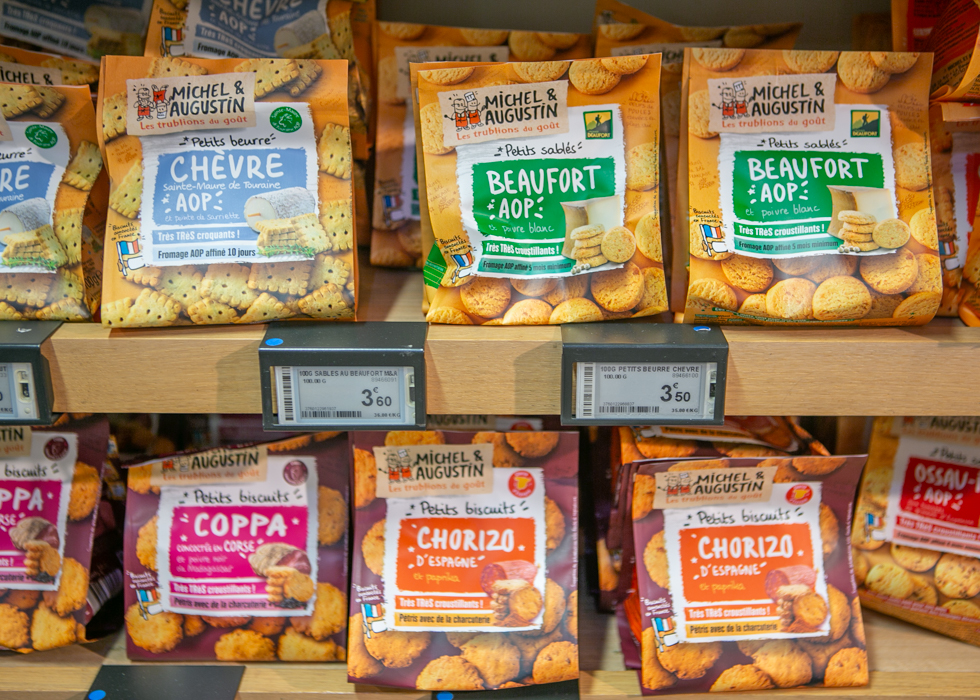
The French have a deep love for the apéritif—that special time just before lunch or dinner when people gather for a drink and a little something to nibble on. It’s a relaxed, friendly moment that often sets the tone for the meal to come. There’s a wide variety of gâteaux apéritifs (savory crackers and snacks) to choose from, and they’re a staple on any apéro table.
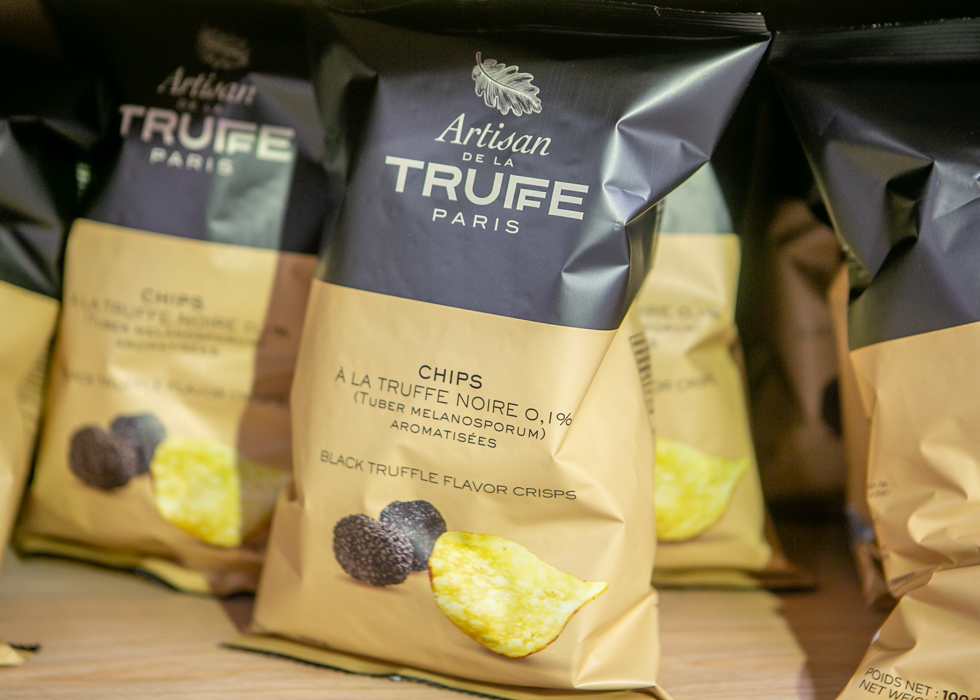
Potato chips are also hugely popular in France, with a broad selection available—including gourmet options like truffle-flavored chips.
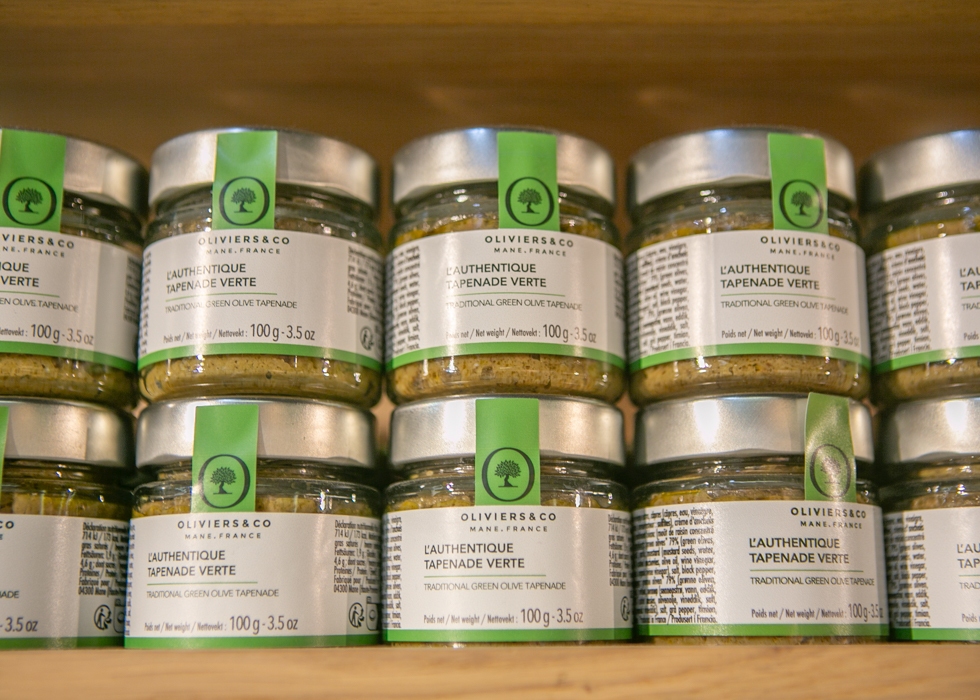
No apéritif or starter is truly complete without tapenade, a classic spread from Provence made with olives, capers, anchovies, and olive oil. It’s usually served on slices of crusty bread and brings a rich, savory kick.
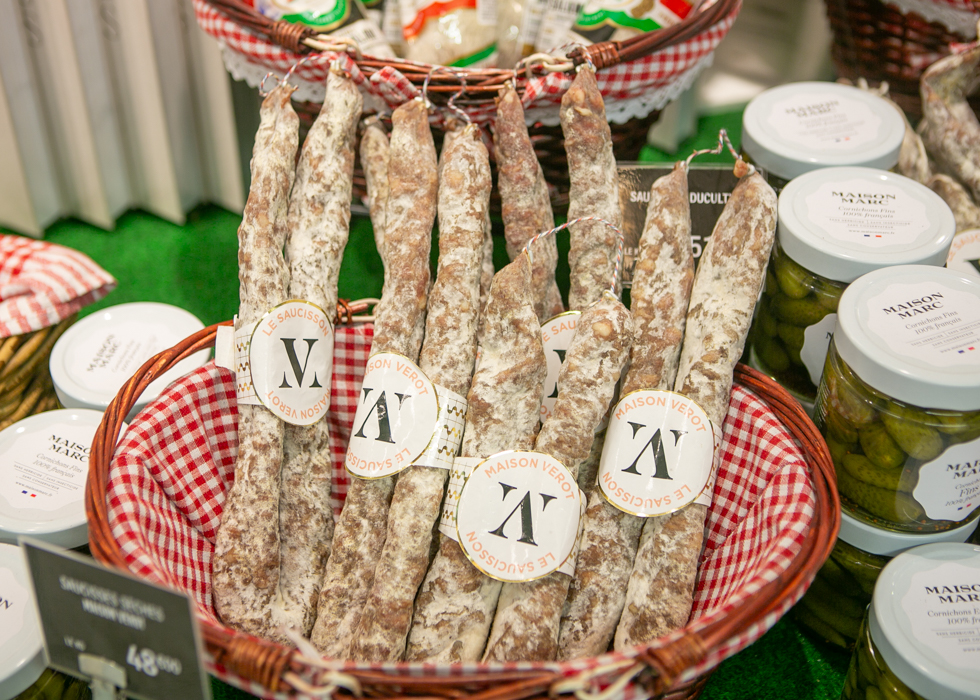
Charcuterie is another essential part of French food culture, especially pork products. You’ll find countless varieties of saucisses sèches (thin, dried sausages) and saucissons (thicker ones), which are sliced and enjoyed as appetizers. The texture can range from firm to tender, depending on your taste.
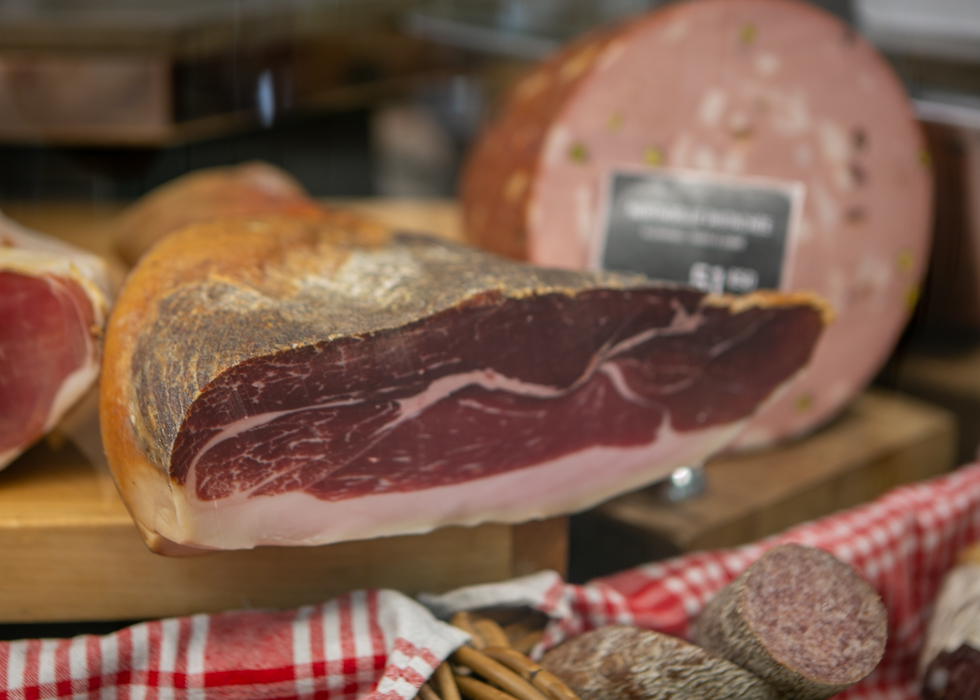
Ham is also beloved, with each region offering its own recipes and styles. Generally, you’ll come across two main types: jambon blanc (cooked ham) and jambon cru or jambon sec (dry-cured ham). Rather than buying pre-sliced packs, it’s worth asking your butcher to slice it fresh—you can even choose how thick or thin you’d like it.
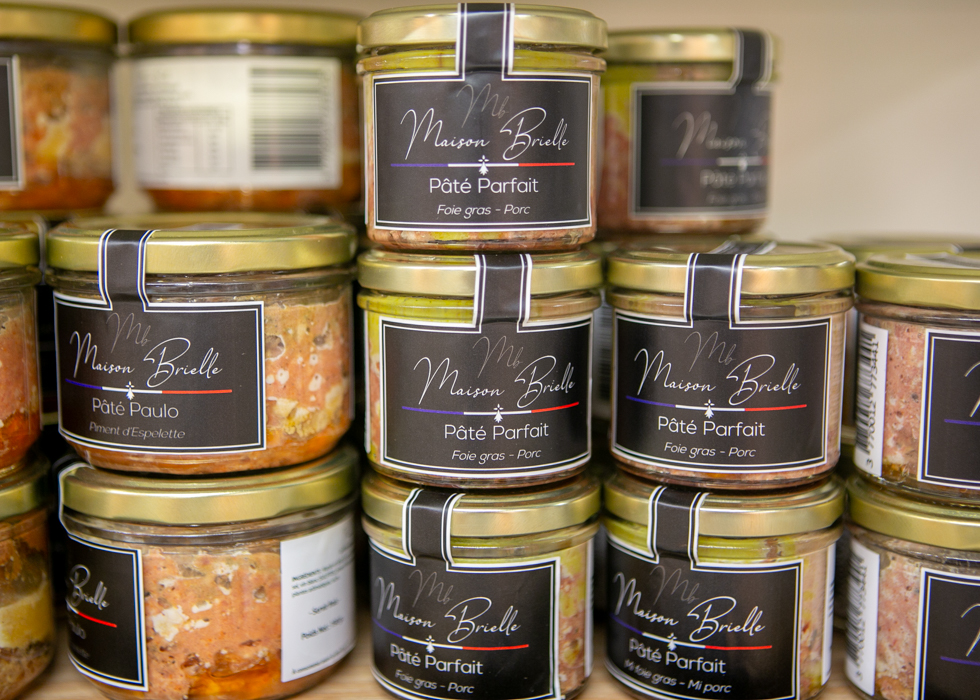
For snacks or picnics, pâté is a popular choice. It’s a flavorful mixture of meats, spices, and sometimes extras like wine, liquor, mushrooms, or pistachios. Pâté is typically spread on baguette slices or served on a charcuterie board. While the packaged versions have a long shelf life, fresh pâté from a butcher’s counter is usually more flavorful.
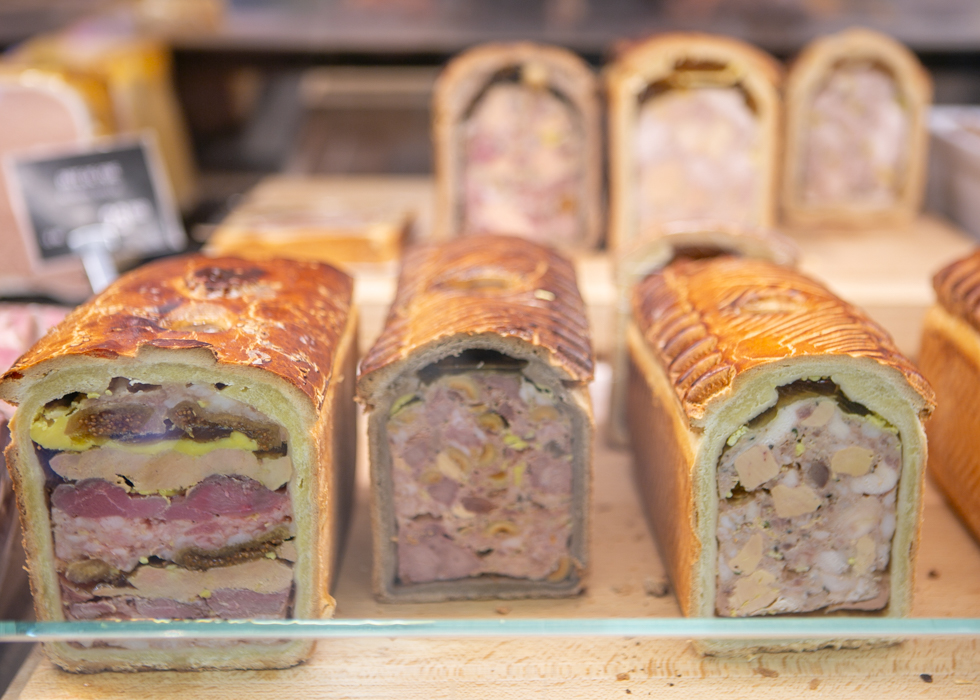
You might also try pâté en croûte—a pâté wrapped in pastry dough and baked to a golden crust.
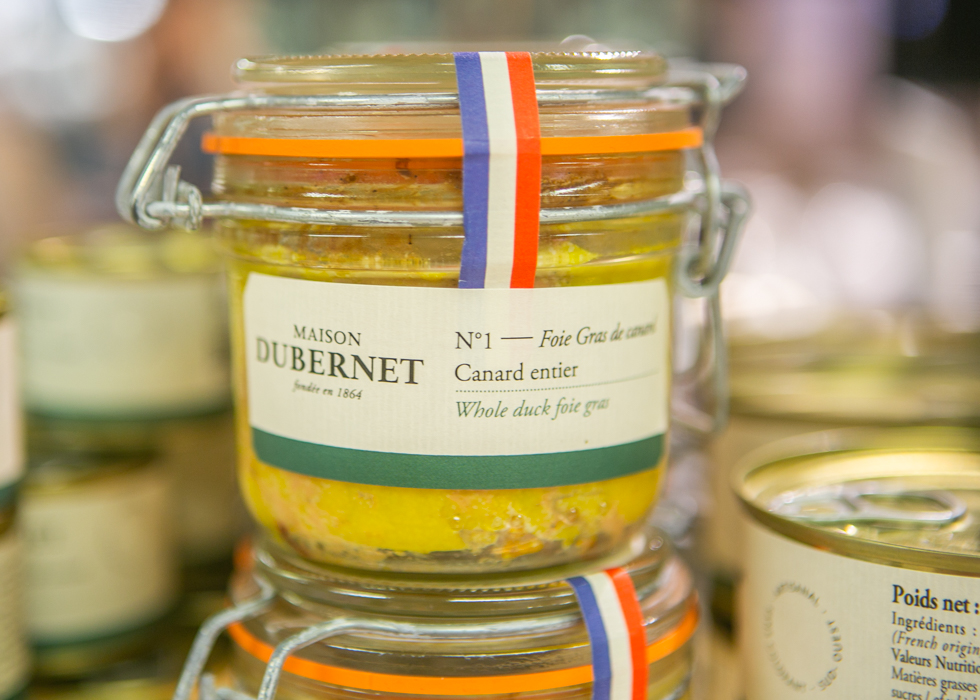
One thing you shouldn’t spread, however, is foie gras. In France, that’s considered bad form. Simply place a slice on your bread and enjoy. Foie gras is made from duck (de canard) or goose (d’oie) liver, and both are highly prized. The most sought-after variety is foie gras entier, made from the whole liver and gently cooked with seasonings. It’s best to steer clear of the cheaper, industrially produced versions, such as bloc de foie gras or mousse de foie gras.
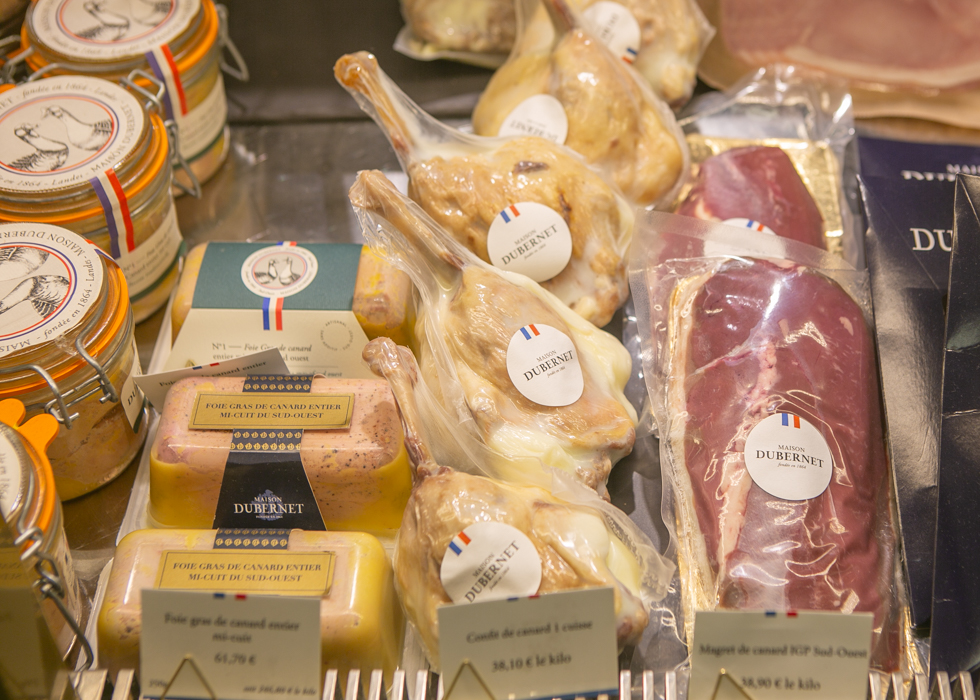
Duck products in general are especially common in the southwest of France (Gascony), where you’ll find local specialties like gésiers (duck gizzards, often served in salads), confits (duck legs slowly cooked in their own fat), and magrets séchés (cured duck breast).
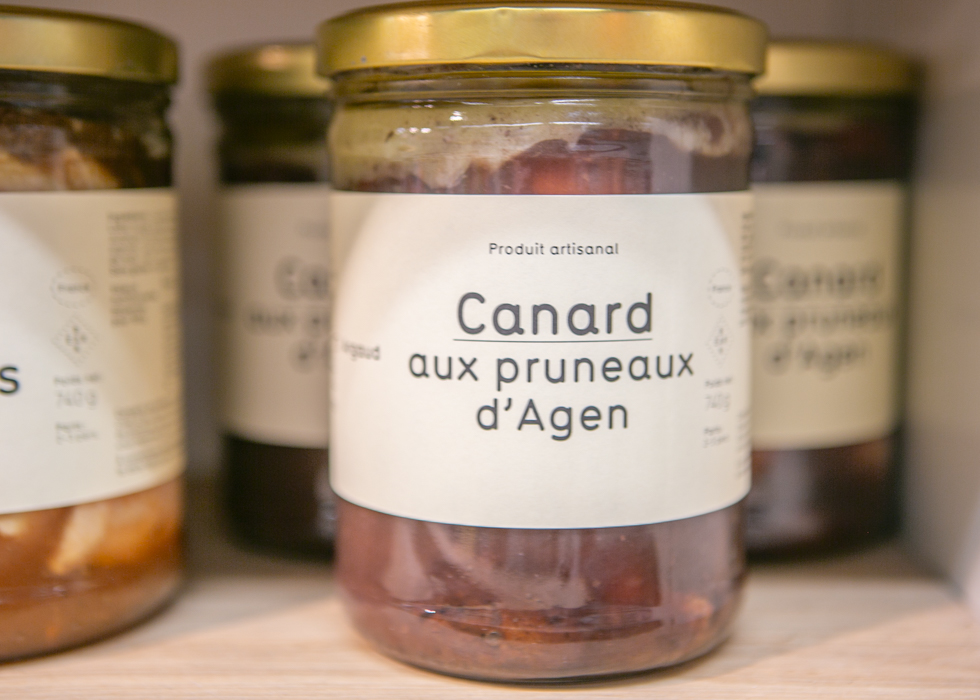
If you’re not in the mood to cook, French shops offer plenty of delicious ready-to-eat canned dishes—like duck legs simmered with the famous Agen dried plums (pruneaux).
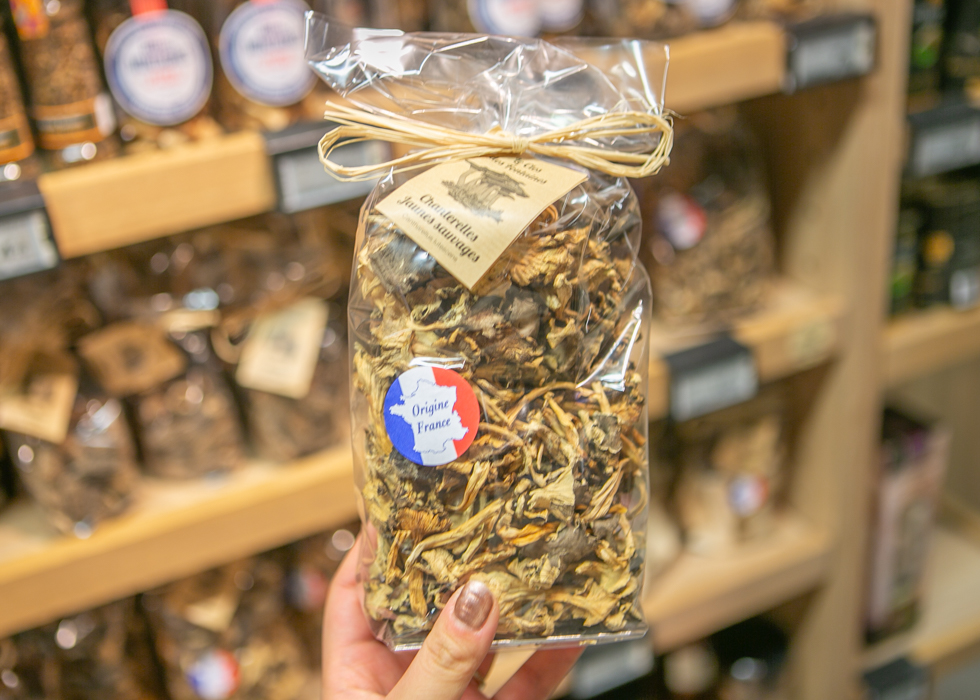
Finally, if you’re looking for a unique and easy souvenir, consider picking up some dried French mushrooms at Le Gourmet. They’re a bit rare and make a thoughtful gift, especially for anyone who loves to cook.
French condiments are loved around the world and make for thoughtful, original gifts to bring back from a trip to France.
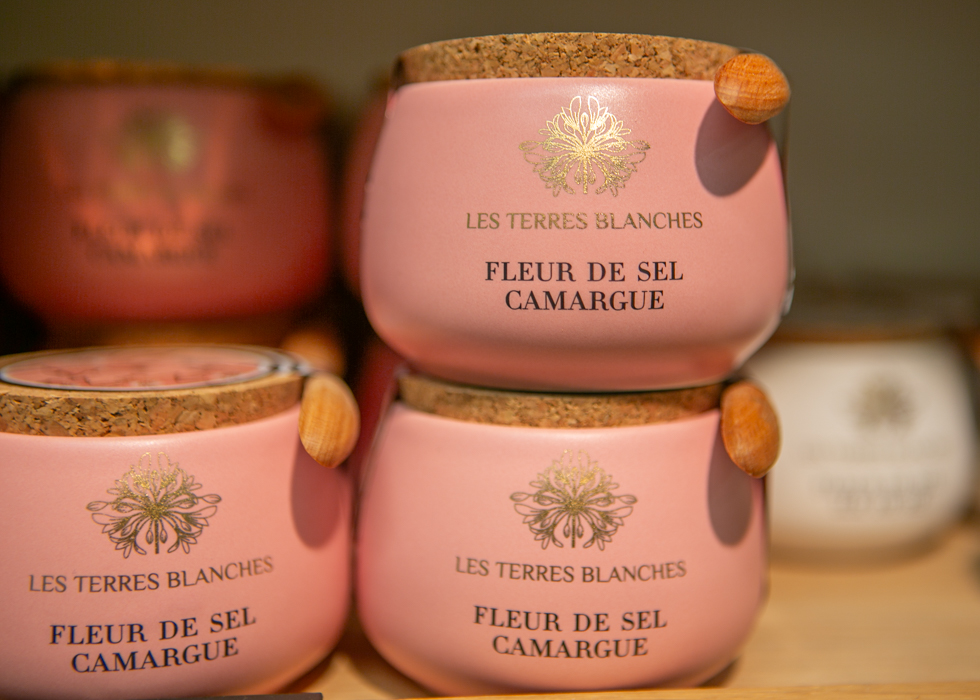
If you're bored with regular table salt, try fleur de sel—a delicate, flaky salt that forms on the surface of seawater as it evaporates. It’s prized for its texture and is used as a finishing touch on dishes, not for cooking.
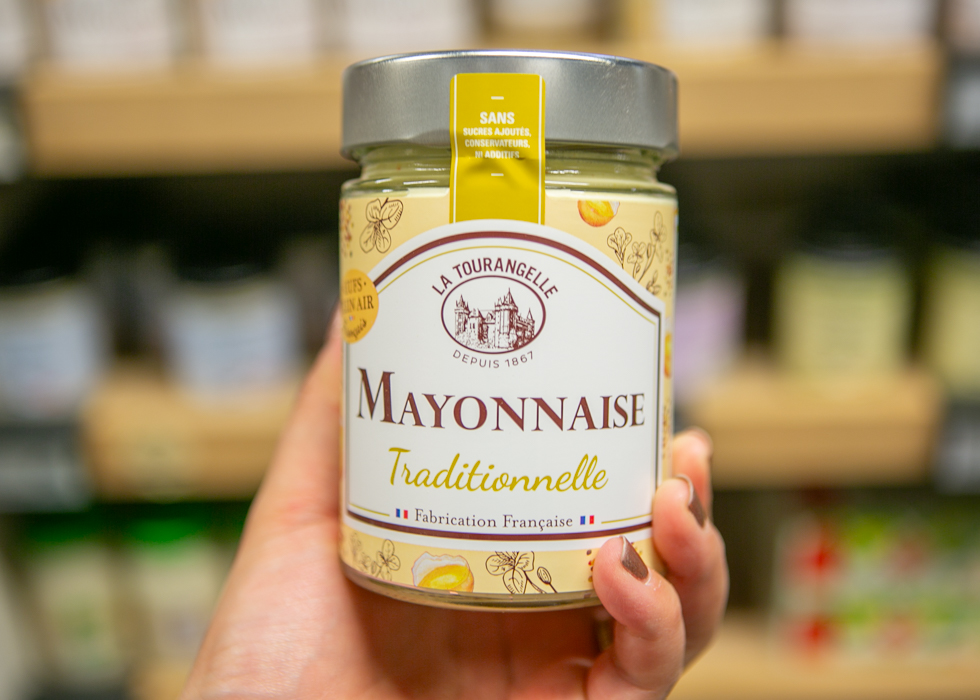
Did you know mayonnaise is actually a French invention from the 18th century? While it’s now a global staple, traditional French mayonnaise is slightly different—less creamy and with a stronger kick, thanks to the addition of mustard.
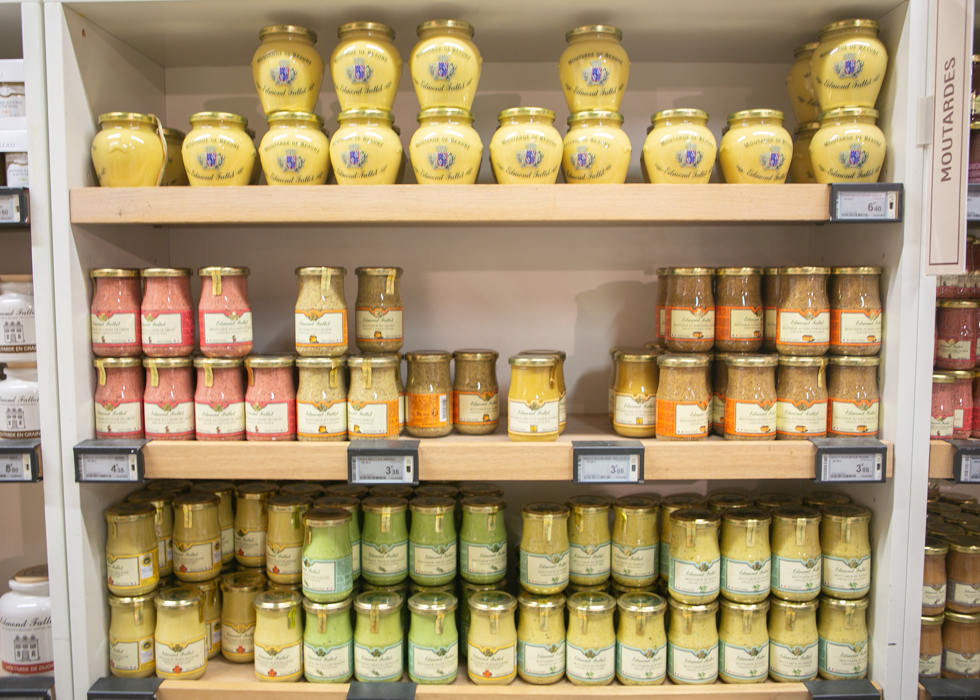
Speaking of mustard, moutarde de Dijon is one of France’s most iconic condiments. Originally from the town of Dijon, it has a sharp, distinctive flavor. For the real deal, look for authentic brands like Edmond Fallot, a family-run company that’s been making mustard since 1840.
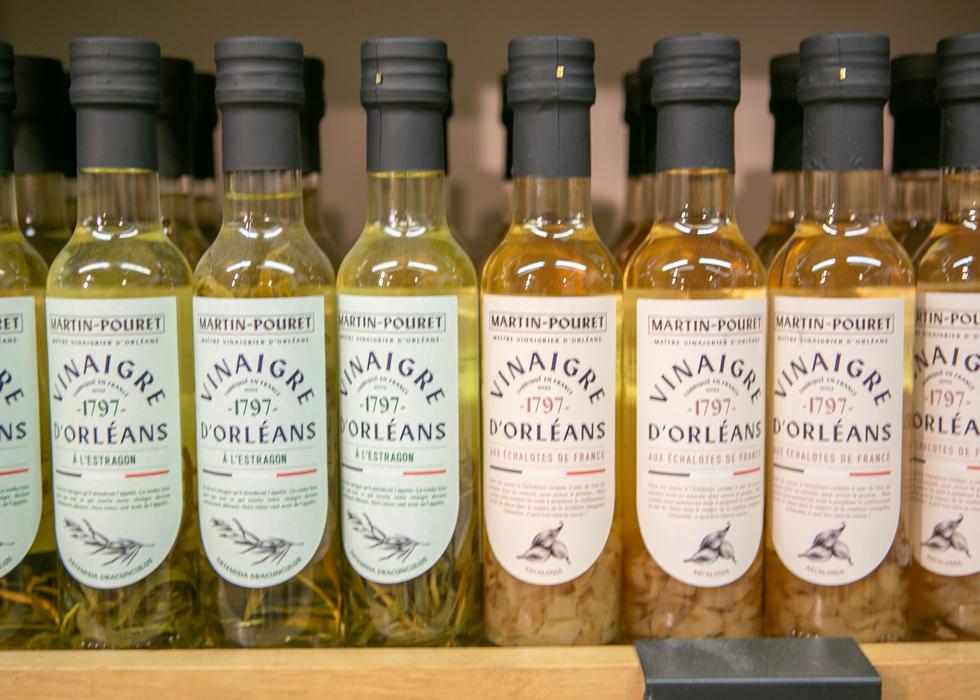
You’ll also find excellent French vinegars, including the well-known vinaigre de vin (wine vinegar). Brands like Martin-Pouret, which has been around since 1797, offer premium options made the traditional way.
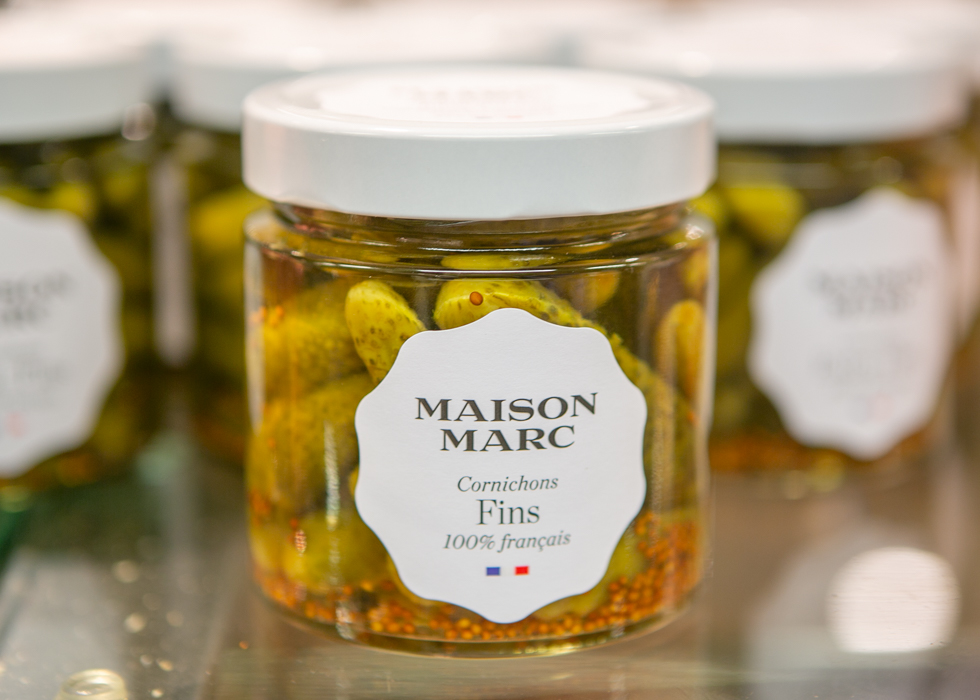
Another classic: cornichons. These small, crisp pickles are typically served with meat and pâté, adding a tangy punch to any dish. Simple but unmistakably French, they’re a must-have in any charcuterie spread.
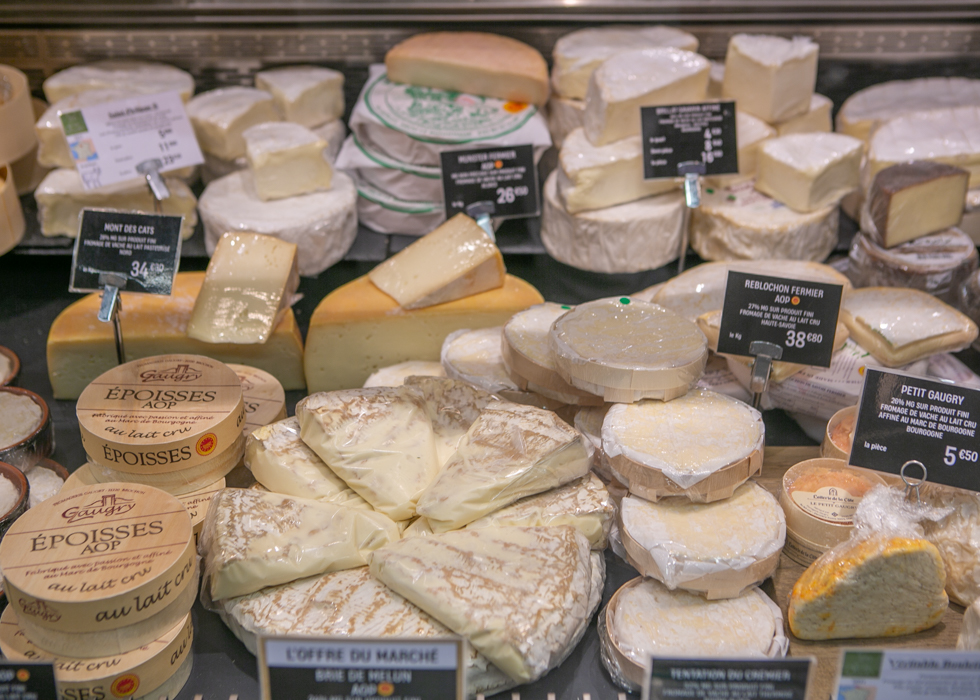
France is truly a paradise for cheese lovers, with an estimated 1,000 different varieties. Almost every village has its cheese, each with its character shaped by the local land, traditions, and methods. The best way to discover these hidden gems is by asking a cheesemonger—they're pros at recommending cheeses based on your tastes.
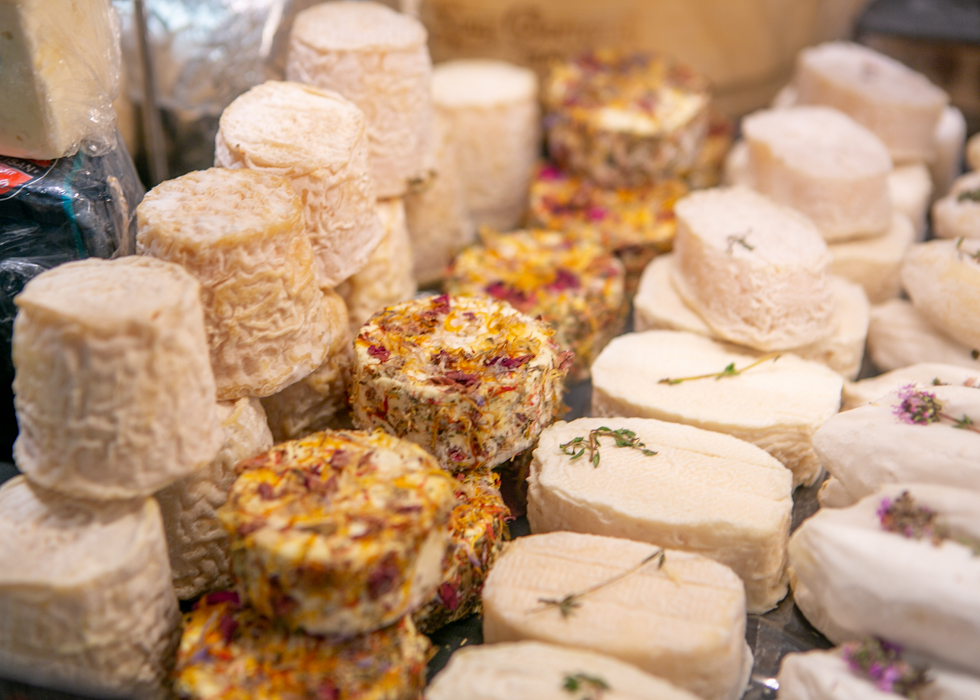
Many non-French people tend to prefer cow’s milk cheese over goat or sheep varieties, but really, it all depends on personal preference.
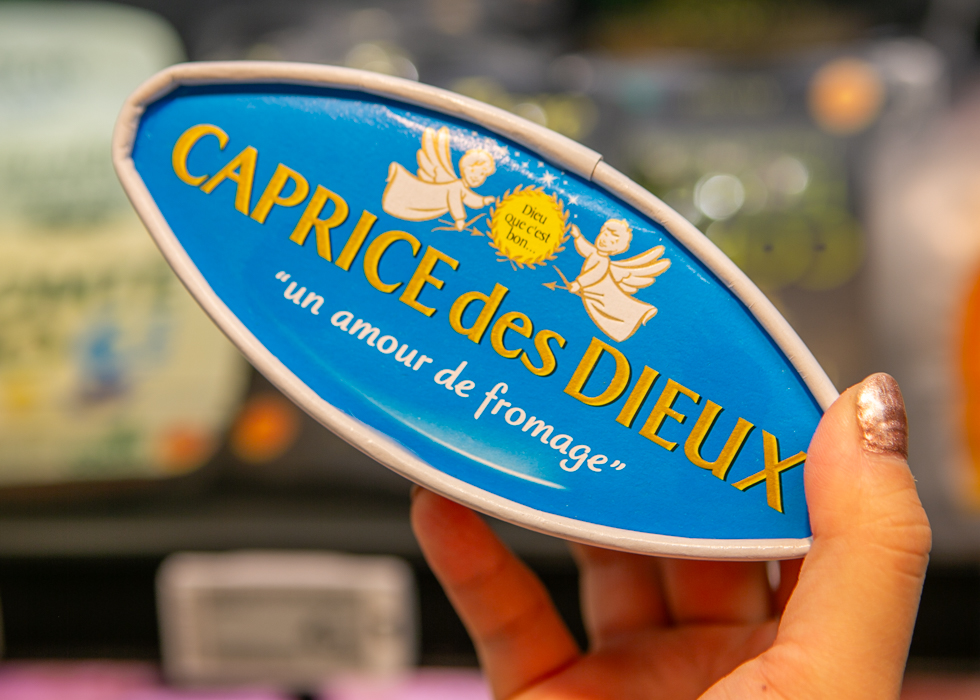
If you're not very familiar with cheese and want to ease into it, you can start with more commercial options—they're usually milder and easier to enjoy if you're not used to strong flavors.
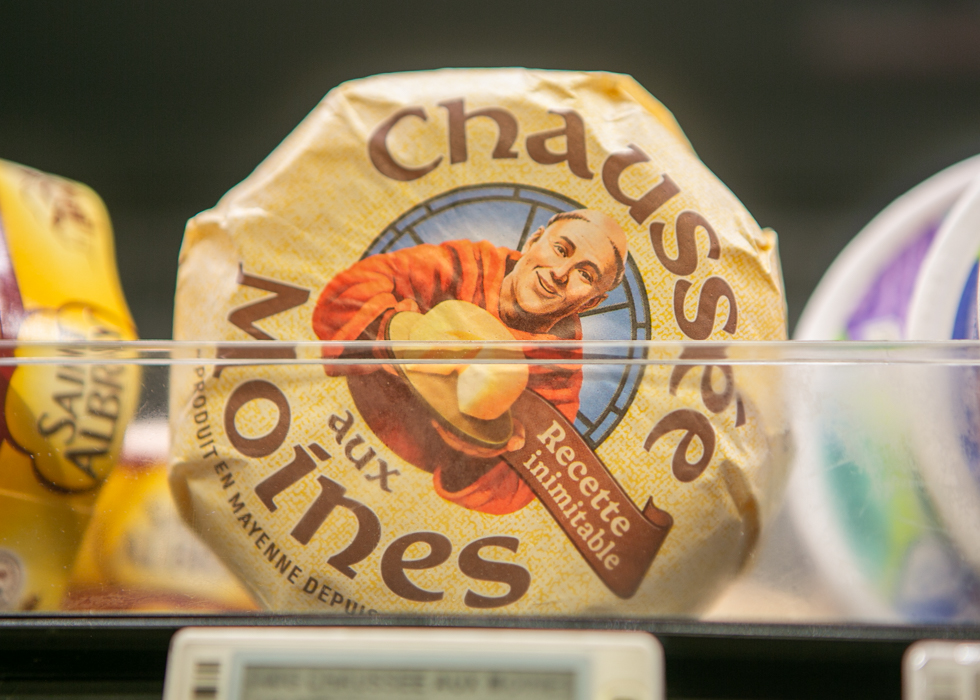
Some great beginner-friendly brands include Caprice des Dieux (a soft, creamy cheese) and Chausée aux Moines (a firmer one). Both are easy to find and tasty.
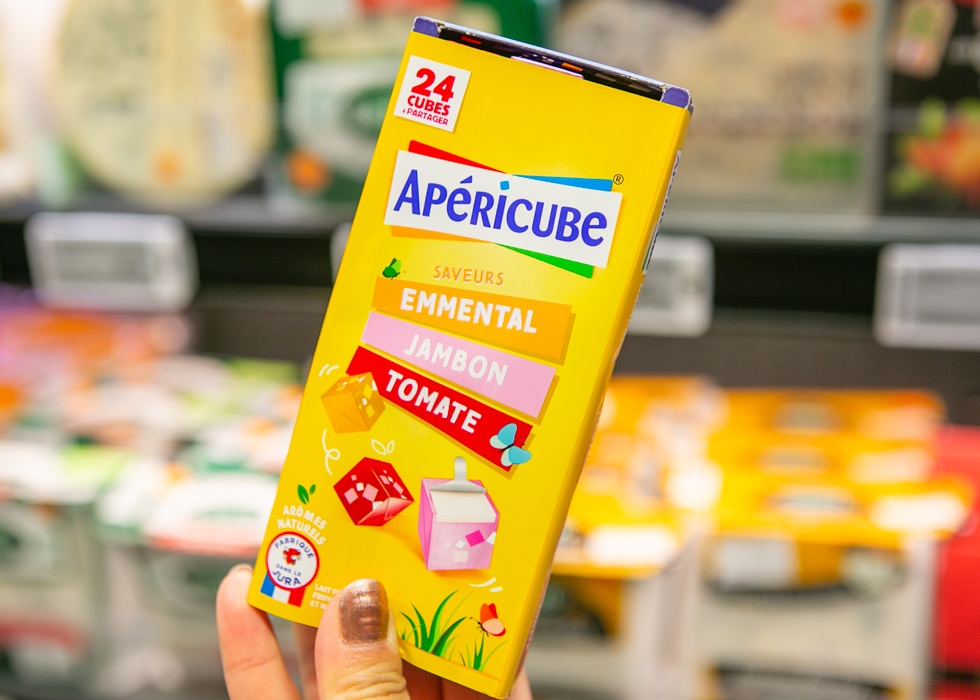
We’ve already talked about how much the French love their apéritif—but did you know cheese often plays a starring role there too? A fun example is Apéricubes, a brand of bite-sized flavored cheeses (olive, tomato, ham, walnut, etc.) that are super popular at family gatherings. Each cube comes with a random trivia question, so people end up quizzing each other over drinks—classic French fun.
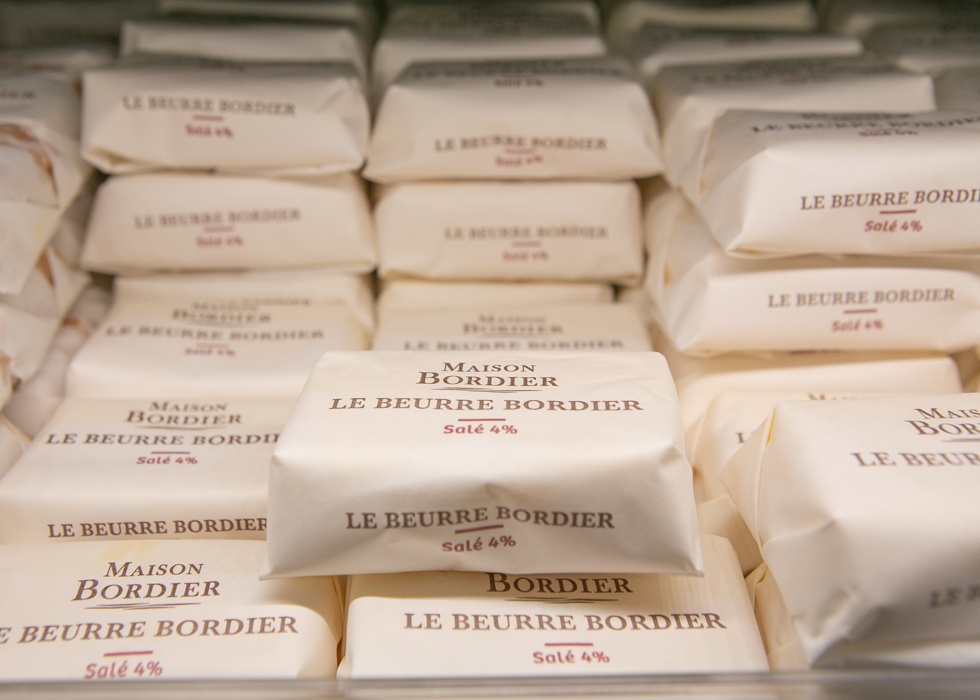
Don’t skip the butter while you’re at Galeries Lafayette’s Gourmet Supermarket: there’s a whole section dedicated to Beurre Bordier, one of France’s most beloved butters. They make incredible flavors like truffle, yuzu, even vanilla butter—yes.
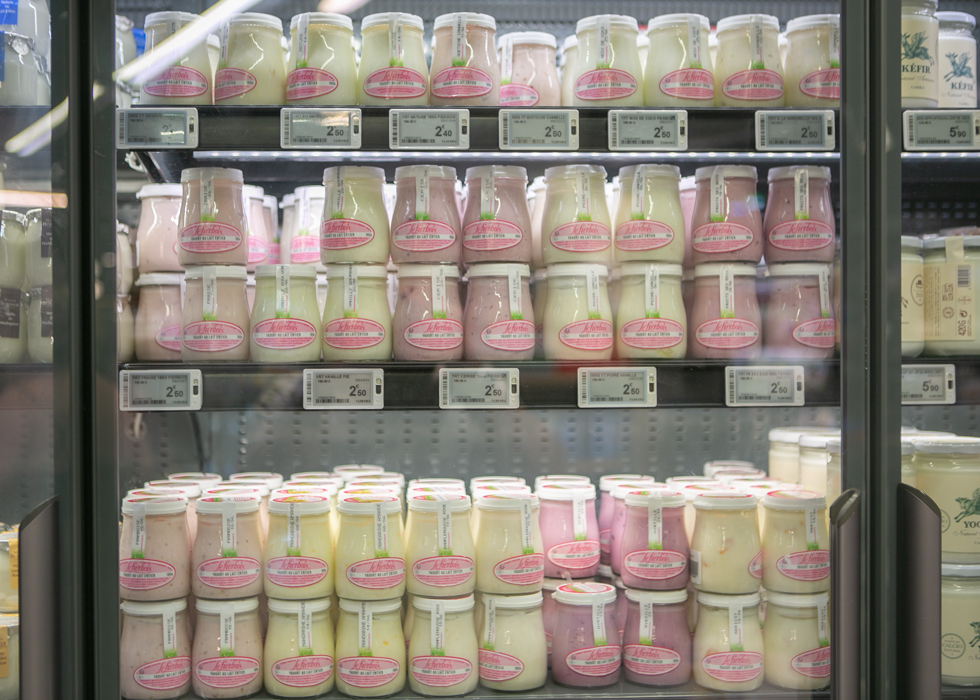
You'll also find lots of locally made yogurts from small farms—simple, fresh, and full of flavor.
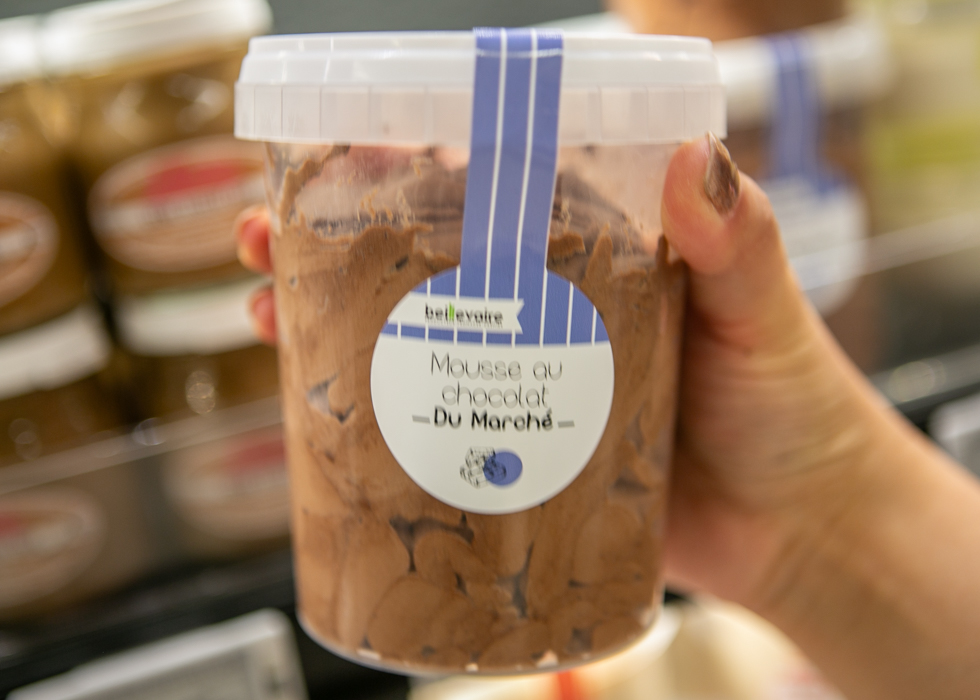
And if you have a sweet tooth, keep an eye out for homemade-style chocolate mousse in the dessert section. It’s rich, airy, and worth a try.
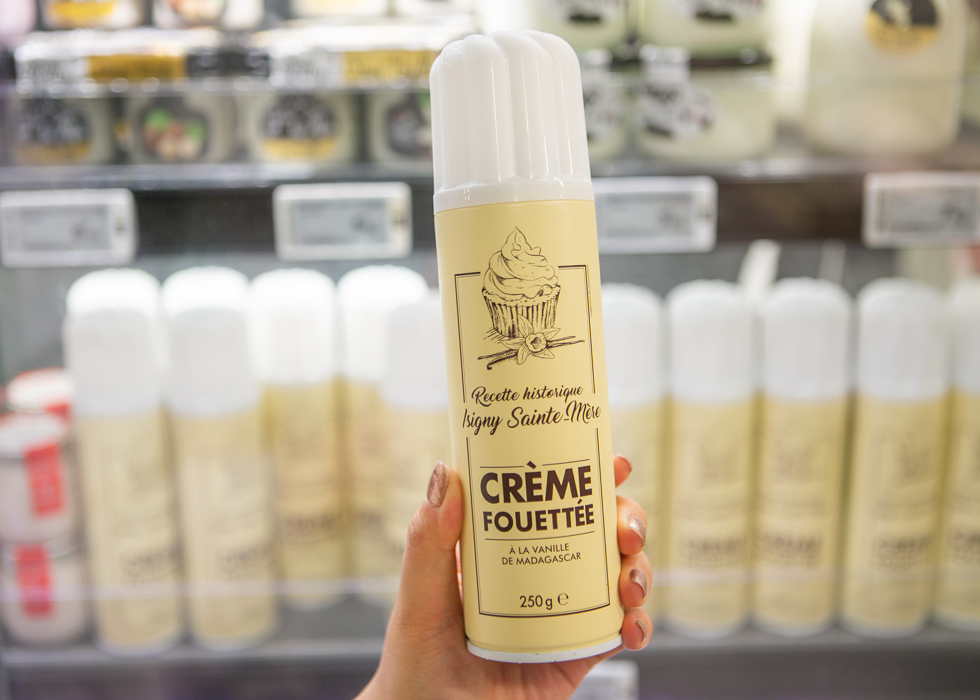
Same goes for Crème Chantilly (whipped cream)—it’s light, heavenly, and perfect with fresh fruit or a scoop of ice cream.
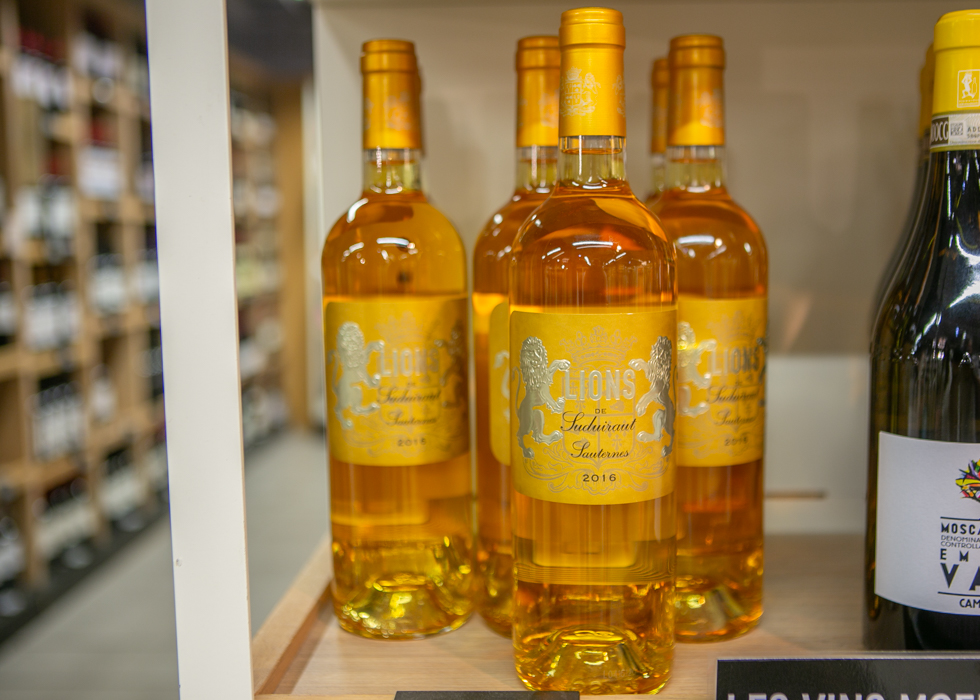
We won’t go too deep into wine here—that would need a whole article on its own—but it’s worth mentioning that most French supermarkets stock surprisingly good bottles. If you're not too familiar with wine, try a vin blanc moelleux or liquoreux like Sauternes. These deep golden wines are sweet and pair beautifully with desserts—or even better, with foie gras.
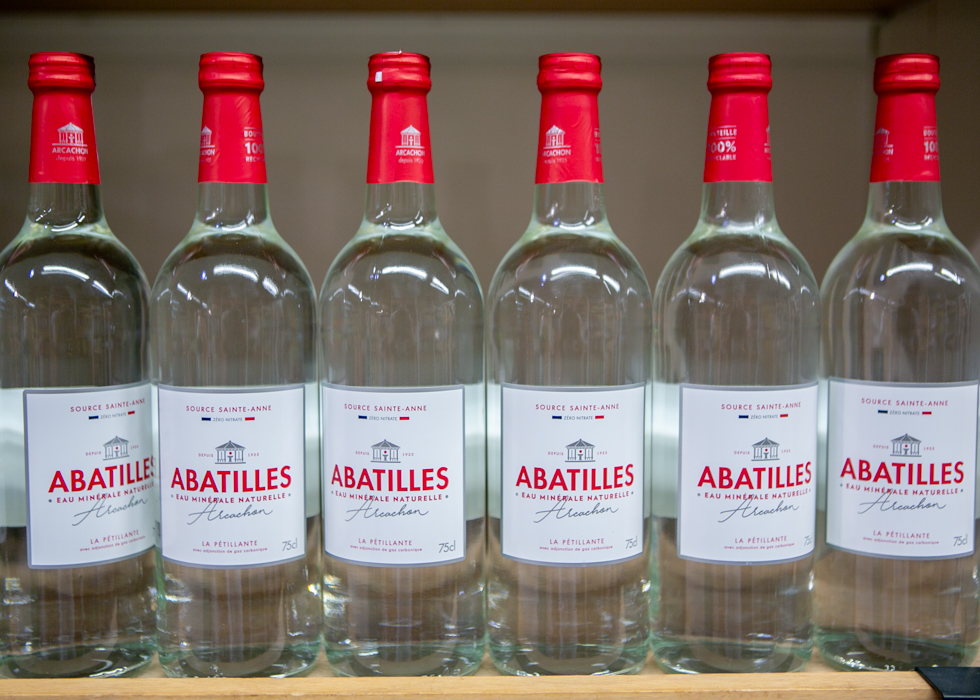
Traveling to a different country is also a great excuse to explore new kinds of water. France offers a wide range of regional mineral waters, each with its taste and story. One lesser-known but increasingly trendy option is Abatilles, a crisp, refreshing water from the Arcachon Bay area.
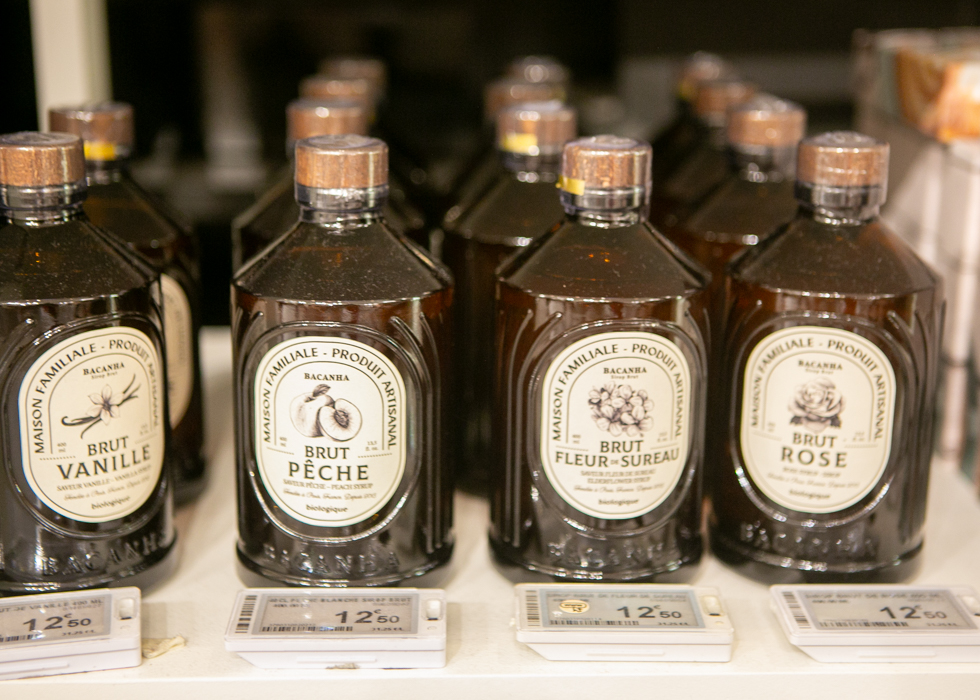
French supermarkets also have an amazing selection of sirops—flavored syrups you mix with water, milk, or use in cocktails and desserts. You'll find the classics like mint and grenadine, but also more unusual ones like violet, rose, lavender, or even chestnut. These syrups aren’t just tasty—they’re part of French cultural life, especially for kids (and nostalgic adults).
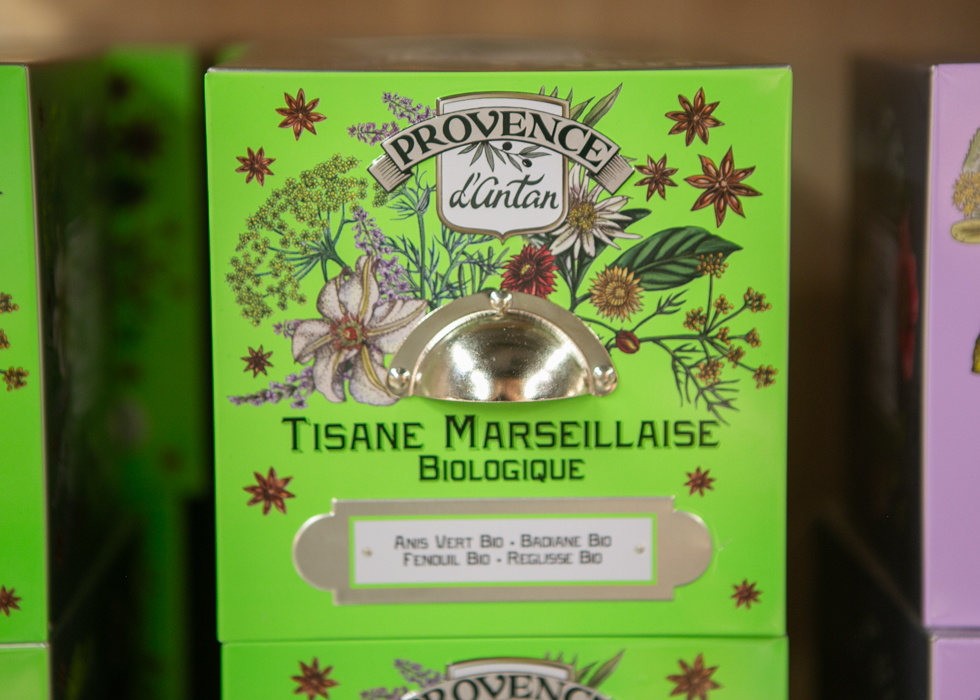
And don’t overlook herbal teas (tisanes). France has a deep tradition of using local plants like mint, lemon balm, verbena, linden (tilia), and elderflower to create calming infusions. They make for thoughtful and useful gifts, especially if you want to bring home something uniquely French without taking up too much suitcase space.
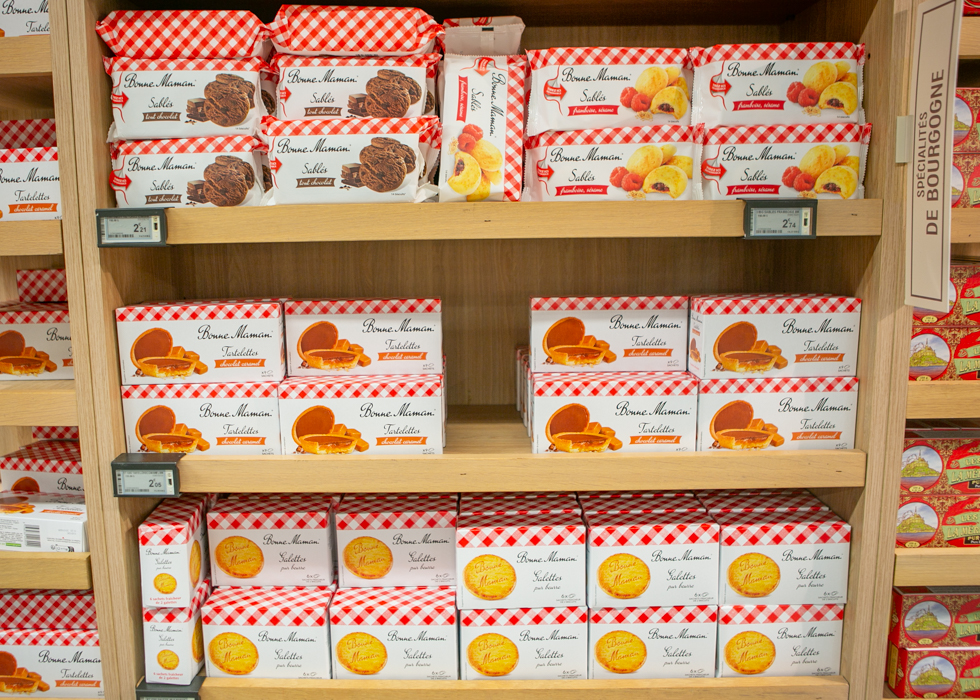
And of course, no trip to a French supermarket is complete without checking out the sweet stuff. There’s a whole world of desserts and treats waiting to be discovered—especially at Galeries Lafayette Le Gourmet. Here’s a quick look at what you can expect.
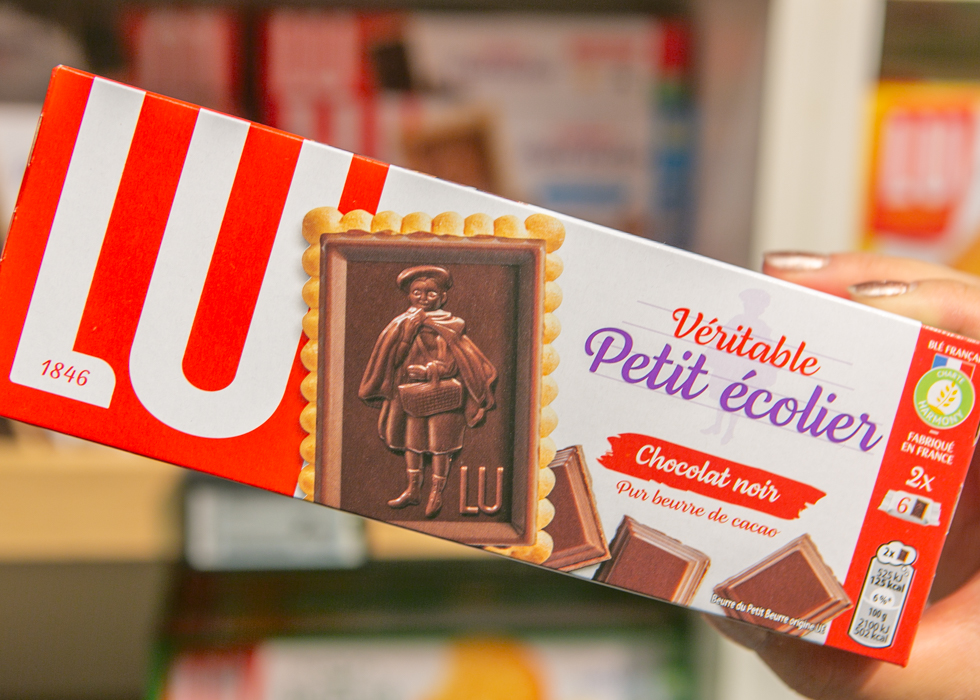
Let’s start with the classics: traditional French biscuits. You really can’t go wrong with Petit Écolier (the famous chocolate-topped biscuit) or anything from Bonne Maman.
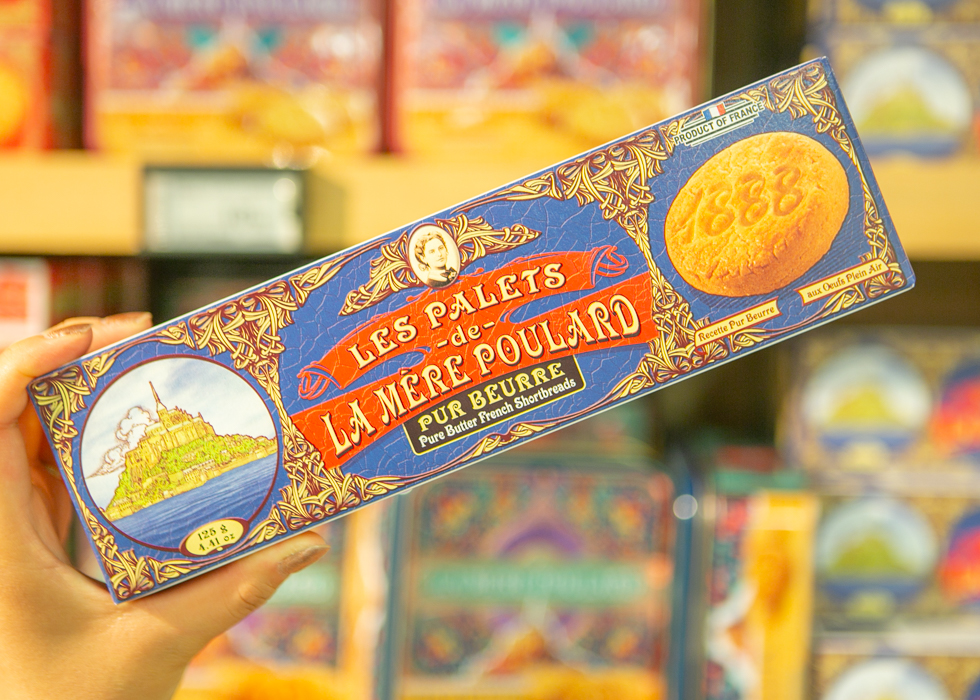
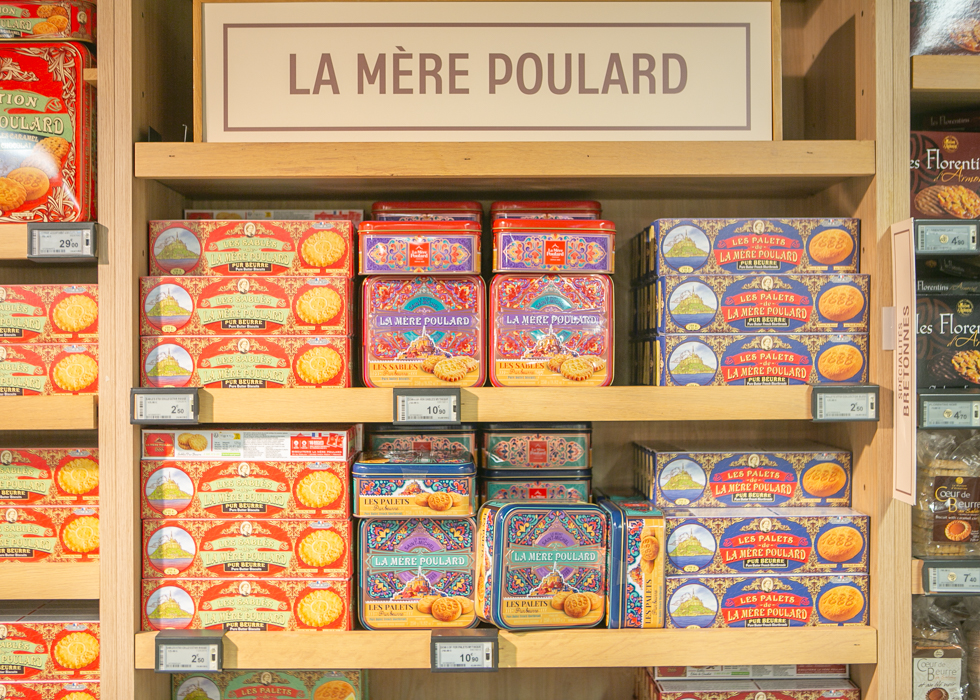
If you’re into buttery shortbread, La Mère Poulard is a must, known for its vintage packaging and rich sablés made in Mont-Saint-Michel.
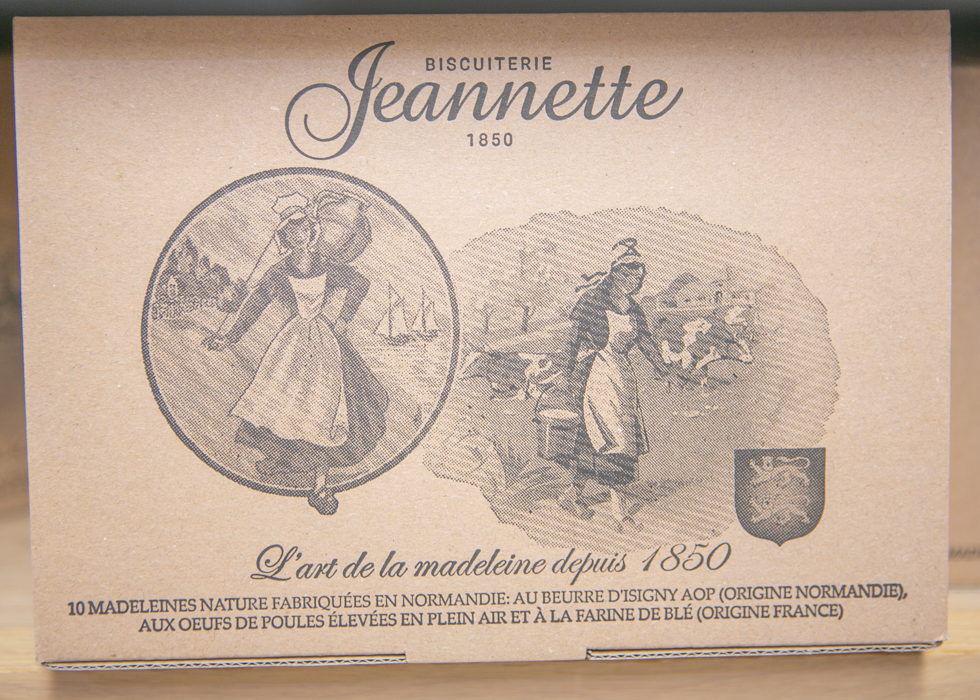
Madeleines are more your thing? Go for the authentic ones by Jeannette, a Normandy-based brand that’s been doing it right for generations.
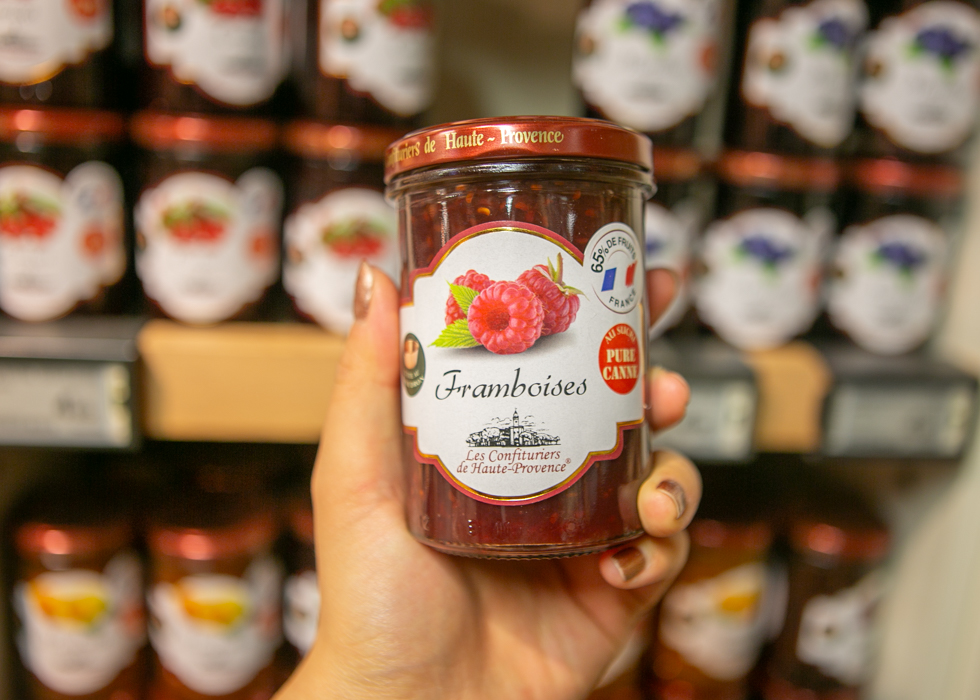
French people take their breakfast seriously, and that means jam—lots of it. You’ll find jars in every flavor imaginable, from basic supermarket options to high-end varieties made the traditional way (cuites au chaudron, “cooked in a cauldron”) for deeper flavor.
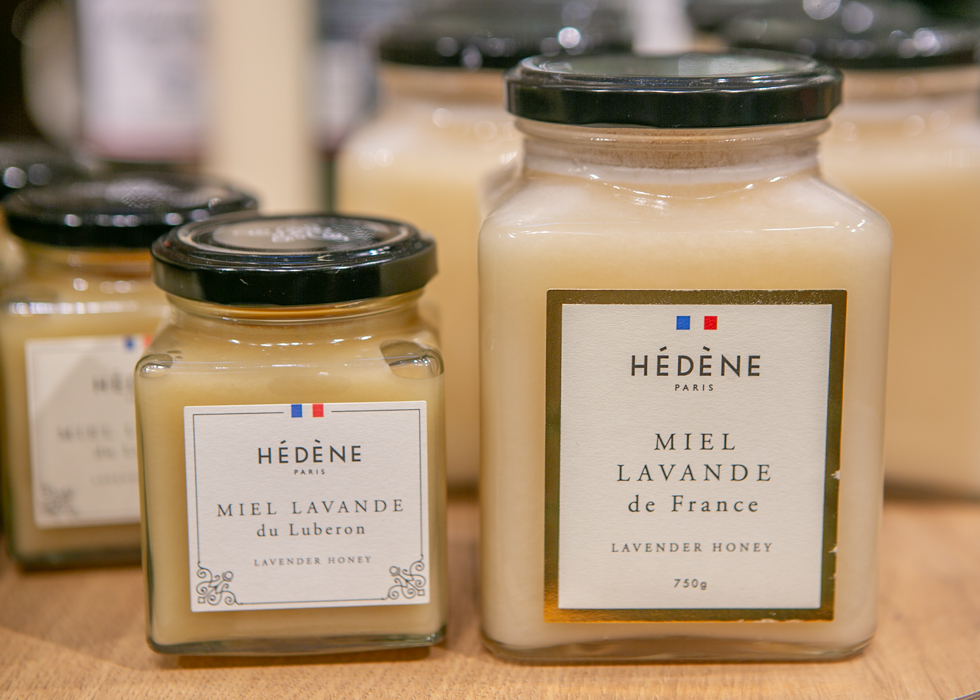
Honey is another French specialty, with each region offering something a little different. In Provence, for example, lavender honey stands out for its pale golden color and distinct floral taste—great with toast, and also a soothing remedy for a sore throat.
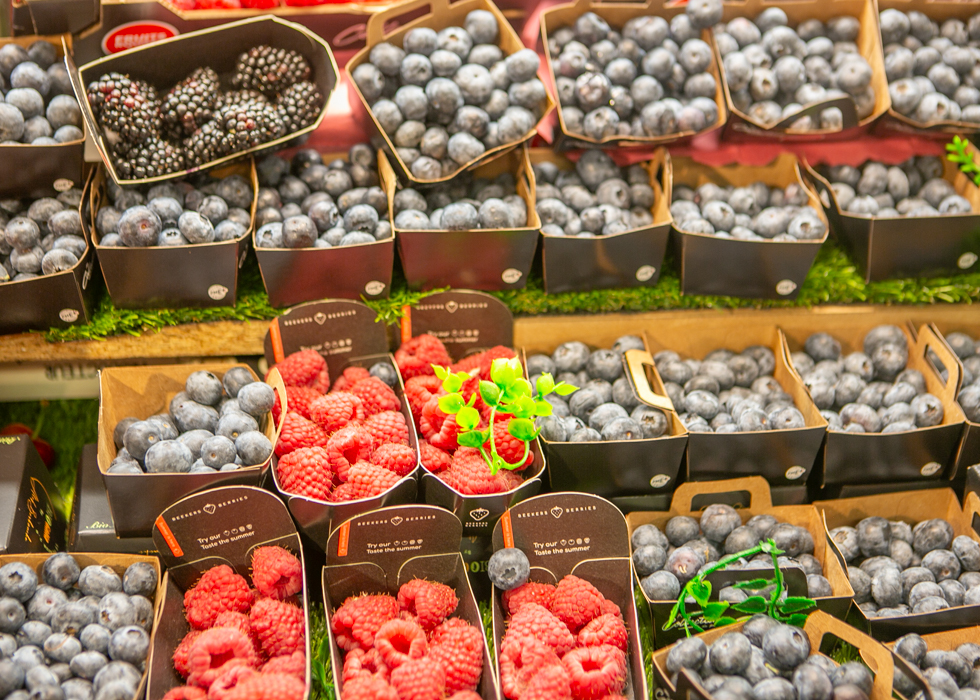
Le Gourmet also stocks a beautiful selection of fresh seasonal fruit: peaches, strawberries, blueberries, and melon in summer; apples, kiwis, citrus, and pears in winter.
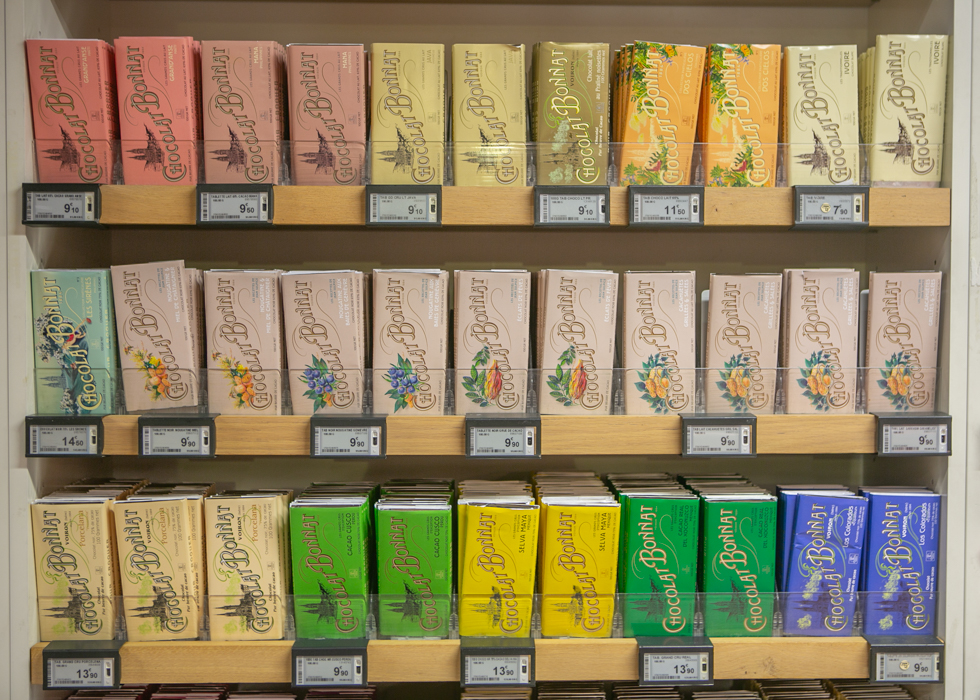
And let’s not forget chocolate. The selection here is huge, and it makes for perfect gifts—great quality, elegant packaging, and surprisingly good prices.
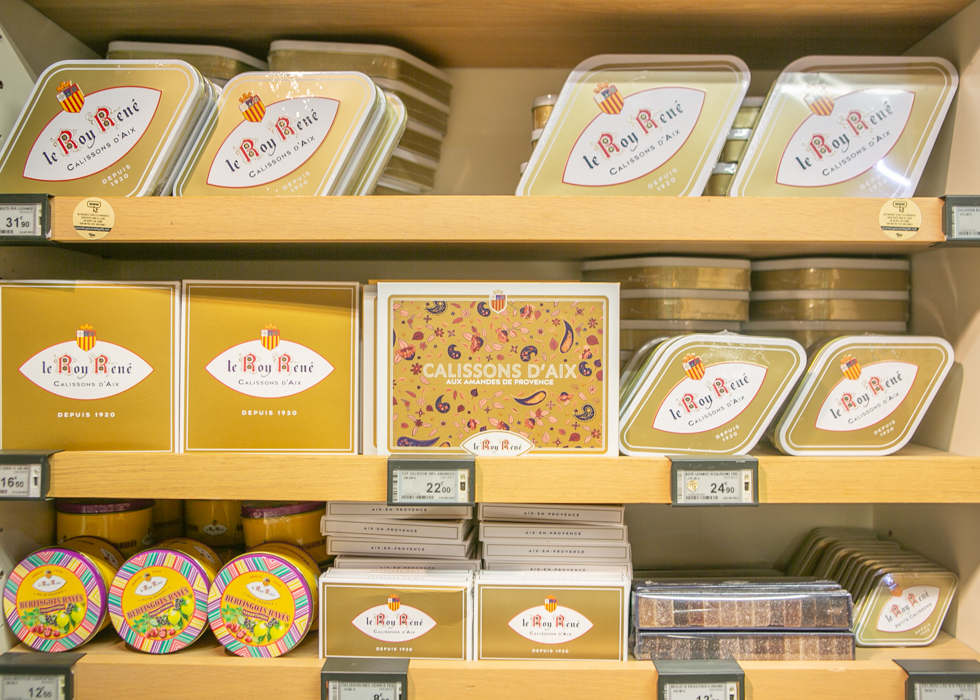
You’ll also find some iconic regional sweets, like Calissons from Aix-en-Provence—soft, diamond-shaped candies made with candied melon and ground almonds, topped with a delicate layer of royal icing.
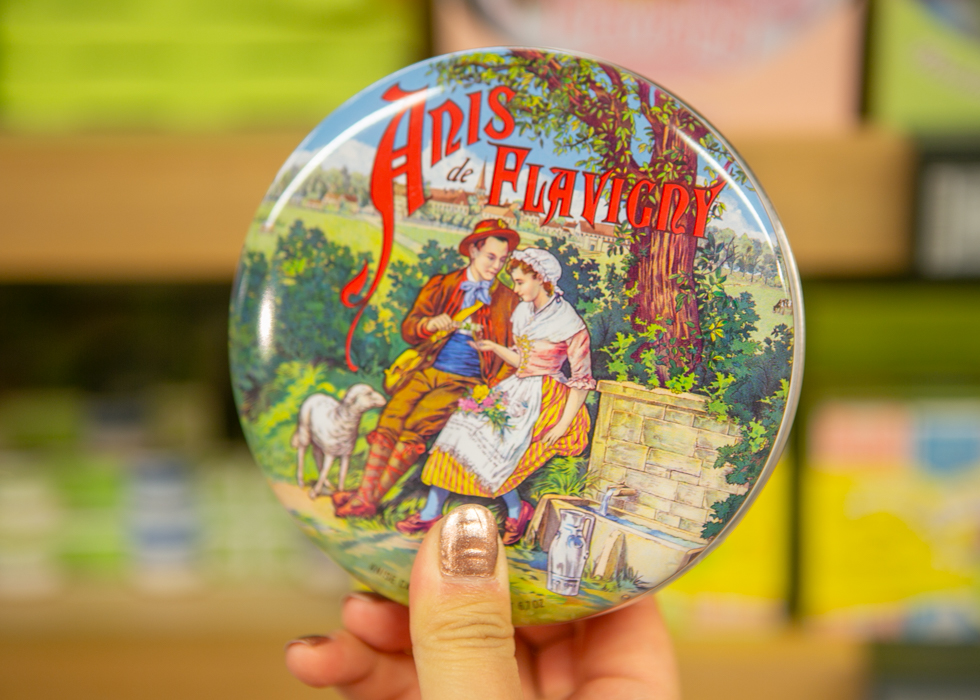
Or try Anis de Flavigny, little sugar-coated candies from Burgundy that come in flavors like anise, violet, rose, mint, jasmine, licorice, and orange.
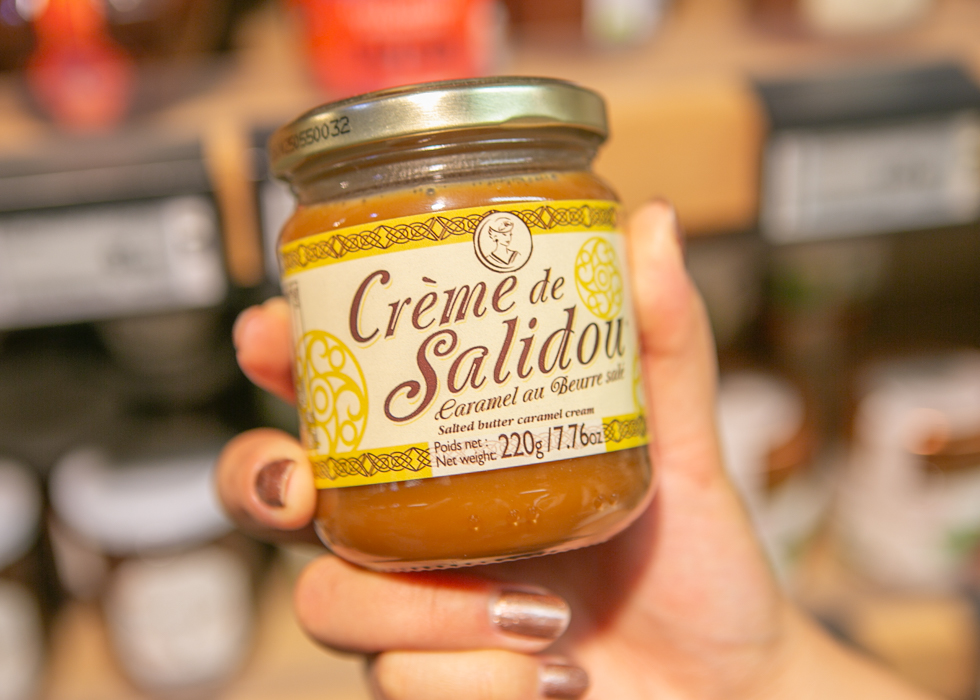
Craving for caramel? Look out for caramel au beurre salé (salted butter caramel) from western France. It’s incredible spread on warm crêpes or fresh bread.
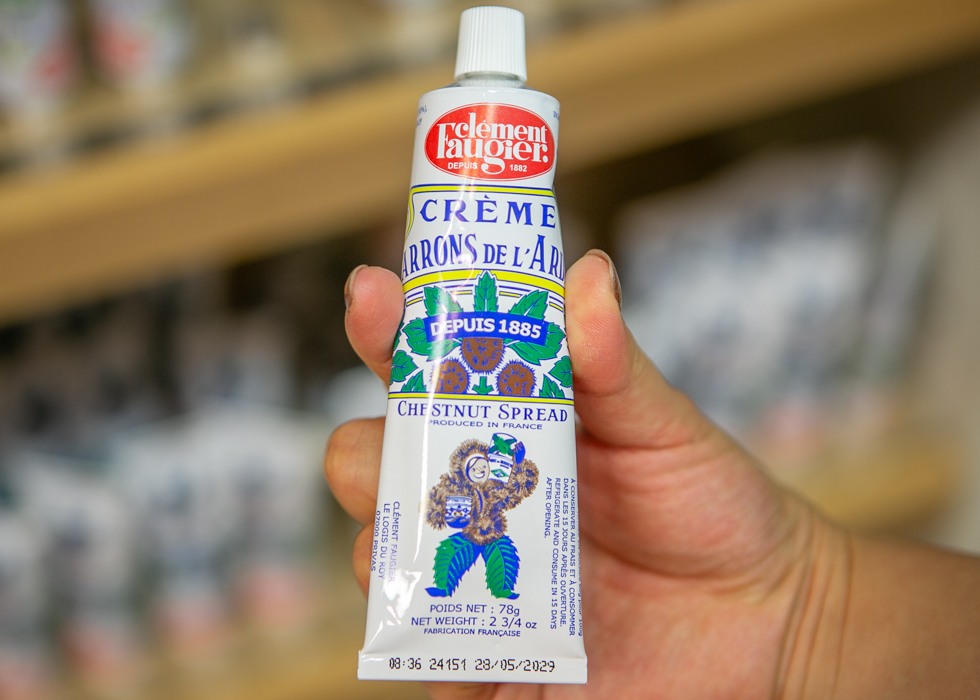
And one last gem: Crème de Marron (chestnut spread) by Clément Faugier. It’s rich, sweet, and perfect on toast or swirled into plain yogurt. The small tins also make a great, budget-friendly gift—and they’re easy to pack if you want to bring a bunch home.
photos and article: O'bon Paris Team